

Across the country, more people are talking about wellness than ever before. Social media brings health advice to our screens every day, while community programs and primary care offices are building new ways to help people learn practical skills for healthy living. Historically, health education focused mostly on illness prevention and short informational brochures. Today, wellness has expanded into something more holistic that includes mental wellbeing, physical activity, food literacy, sleep habits, and stress reduction.
Stamford has seen a growing interest in community and clinic based wellness education, shaped by shifting public health priorities, digital tools, and a deeper recognition that overall wellbeing affects school performance, workplace success, and long term health. Yet the conversation is not simple. Some debates revolve around misinformation online, while others focus on how socioeconomic factors shape access to quality wellness programs. Exploring these different sides helps readers understand why wellness education deserves attention and how it continues to evolve.
Unpacking the layers of wellness education in Stamford
Wellness education typically blends practical knowledge about nutrition, exercise, mental wellbeing, and preventive care. In Stamford, many primary care practices and community groups use evidence based resources to teach people how to adopt habits that support lifelong health. This often includes conversations about balanced eating, movement options that fit personal ability, and strategies for managing stress or anxiety. The Centers for Disease Control and Prevention provides trusted information about healthy living and disease prevention (https://www.cdc.gov).
Unlike one size fits all programs, wellness education aims to empower individuals rather than prescribe rigid rules. For teens and younger adults, learning about healthy choices can build confidence and reduce confusion caused by conflicting advice online. Mental wellbeing and supportive conversations play a major role, since stress, sleep, and emotional health strongly affect physical health.
A growing focus includes health literacy, which means understanding how to interpret information, communicate with healthcare professionals, and evaluate online claims. The National Institutes of Health offers science based educational materials that help families build reliable knowledge (https://www.nih.gov). Stamford programs may integrate this material into patient visits, school outreach, and wellness workshops, supporting a culture of informed decision making rather than quick fixes.
Navigating the challenges and debates
Wellness education looks positive, yet several important debates shape its development. One challenge is misinformation. Online platforms share both helpful and misleading content, which can confuse people about healthy habits. Some advice encourages restrictive behaviors that are not safe or medically appropriate, especially for teens who are still growing. Healthcare experts encourage using reputable sources and speaking with licensed professionals before making major changes.
Another conversation concerns equity and access. While many Stamford residents benefit from clinics and community centers, others face barriers such as limited time, transportation, or language access. These gaps raise questions about how to design inclusive programs that meet diverse needs. Research from public health organizations continues to examine how education, environment, and economic factors influence health outcomes (https://www.ahrq.gov).
Wellness education also involves privacy and autonomy. People deserve supportive spaces that respect personal beliefs and experiences. Providers are increasingly careful to avoid judging body size or appearance and instead focus on habits that promote wellbeing. When programs emphasize total health rather than looks, they help reduce stigma and empower participants to make informed choices based on personal goals.
Real world echoes: case studies and applications
Consider a fictional example inspired by local efforts. A Stamford community center hosts a wellness series that includes simple cooking demonstrations, conversations about healthy daily routines, and optional yoga sessions appropriate for beginners. Participants learn skills at their own pace and connect with neighbors, which strengthens community support. The program emphasizes balance rather than perfection, helping people apply information in everyday life.
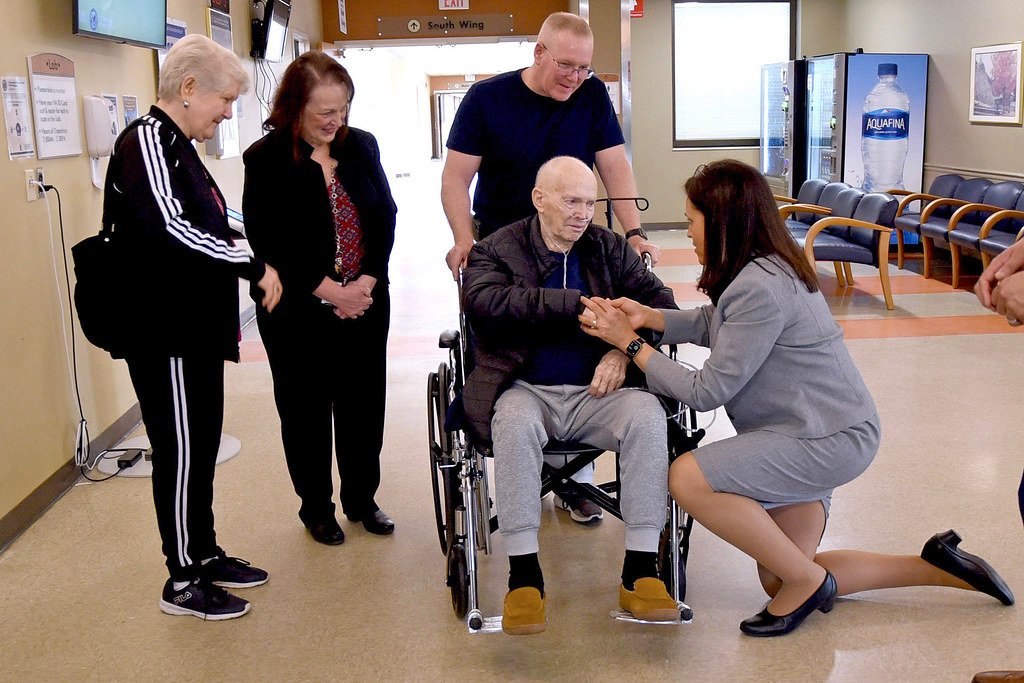
In a primary care setting, a provider might introduce wellness education during regular checkups, especially if a patient feels overwhelmed by health information online. Instead of offering strict instructions, the provider asks about lifestyle routines, hobbies, school or work schedules, and stress levels. Together they create manageable goals, such as adding one extra walk each week or practicing a calming technique before bedtime.
Digital access also expands possibilities. Stamford residents increasingly join virtual workshops and telehealth education sessions. These options offer flexible learning opportunities for busy families. By combining preventive education with professional guidance, wellness programs help people better understand their health, recognize early changes, and build confidence when seeking medical advice.
Conclusion
Wellness education in Stamford continues to evolve, shaped by community needs, scientific knowledge, and modern health priorities. By focusing on accessible information, mental wellbeing, and safe lifestyle habits, wellness programs support healthier communities one step at a time. Challenges such as misinformation, equity, and changing healthcare landscapes encourage thoughtful discussion and ongoing improvement. Readers are invited to explore trusted sources, ask questions during medical visits, and keep learning about wellness as an ongoing journey rather than a destination. To learn about local services and supportive wellness education, consider contacting CNPprimarycare.com.
Q and A
What is wellness education
Wellness education teaches practical skills for healthy living, including balanced eating, physical activity, preventive care, and mental wellbeing. Trusted information can be found on the CDC Healthy Living pages (https://www.cdc.gov).
How is wellness education different from fitness trends
Wellness education focuses on total health rather than appearance or popular trends. It encourages realistic goals, emotional wellbeing, and long term habits.
How can someone avoid misinformation
Look for scientific sources, ask licensed healthcare providers, and check educational materials from reputable organizations such as the National Institutes of Health (https://www.nih.gov).
Where can Stamford residents find support
Primary care practices, community centers, and local programs often provide wellness education and practical resources. To explore options or schedule a consultation, you can contact CNPprimarycare.com for guidance and services.