


In a world increasingly shaped by rapid lifestyles, digital convenience, and rising health concerns, weight management has become one of the most discussed topics in modern wellness. For decades, the conversation centered on restrictive diets and quick fixes, often promising dramatic transformation with minimal effort. Yet as research deepens and public awareness evolves, a new understanding has emerged. Sustainable weight loss is not only a physical journey but an educational one that requires knowledge, skill building, and long term behavior change.
Wellness education has steadily gained recognition as a powerful foundation for healthier communities. From nutrition literacy and emotional wellbeing to understanding metabolism and physical activity, this educational approach reframes weight loss as a comprehensive lifestyle investment. As conversations continue to explore obesity, chronic disease, and personal responsibility, wellness education sits at the intersection of science, psychology, and public health. It invites curiosity while acknowledging the complexities that make long term weight loss not only challenging, but deeply personal.
Unpacking the Layers of The Role of Wellness Education in Long Term Weight Loss
Wellness education goes beyond calorie counting or exercise tips. It equips individuals with the knowledge and tools needed to understand their bodies, make informed choices, and sustain healthy habits over time. At its core, it teaches people why certain behaviors matter, not just what to do. This shift is essential because weight loss success relies heavily on consistent lifestyle behaviors that are easier to maintain when rooted in understanding.
One key component is nutrition literacy, which empowers individuals to read food labels, interpret portion sizes, and understand macronutrients. Studies from organizations such as the Centers for Disease Control and Prevention highlight the importance of nutrition education in promoting long term weight control. Readers can explore this further here: https://www.cdc.gov/healthyweight/index.html.
Another layer is the integration of mental and emotional wellness. Stress management, sleep hygiene, and self awareness play a significant role in weight regulation. Wellness education acknowledges the role of emotional triggers, cultural influences, and social environments, offering a holistic lens for personal growth. As research from the National Institutes of Health suggests, behavioral education remains one of the most impactful tools for long term weight success: https://www.nih.gov.
This multidimensional framework helps individuals build lasting confidence, autonomy, and resilience, ultimately supporting weight goals that endure long after the initial motivation fades.
Navigating the Challenges and Debates
While the value of wellness education is widely recognized, debates continue around accessibility, effectiveness, and equity. One of the most significant challenges is the gap between knowledge and action. Critics argue that education alone cannot overcome systemic barriers such as food deserts, financial constraints, or limited access to preventive care. These challenges raise broader conversations about public health responsibility and societal infrastructure.
Another ongoing debate centers on the role of weight stigma. While wellness education encourages informed choices, some worry it may inadvertently reinforce pressure or guilt for those struggling with chronic weight issues. Experts emphasize the need for compassion based approaches that prioritize health outcomes over appearance. The dialogue highlights how weight loss is intertwined with emotional, cultural, and social complexities.
There is also an emerging conversation about digital wellness education. Apps, virtual coaching, and online courses make information more accessible, yet they also spark concerns regarding misinformation and lack of personalization. As the wellness industry expands, so does the need for credible educators and evidence based guidance. Recent academic studies acknowledge these challenges while reinforcing that well designed educational programs remain a powerful catalyst for behavioral change.
These debates broaden the narrative, inviting reflection on how society supports individuals on their weight loss journeys while honoring their dignity and unique circumstances.
Real World Echoes: Case Studies and Applications
A compelling example of wellness education in action can be seen in community based weight management programs. One mid sized health network launched a twelve week lifestyle education course focusing on nutrition, habit tracking, mindfulness practices, and group support. Participants were encouraged to understand their eating patterns, explore emotional triggers, and build gradual, sustainable habits.
After the program ended, follow up evaluations showed that individuals who engaged consistently in the educational components maintained more long term weight stability compared to those who relied solely on diet plans. Participants reported improved confidence, better meal planning skills, reduced stress, and greater awareness of their physical cues. The program also highlighted how social accountability and shared learning reinforce positive behaviors.
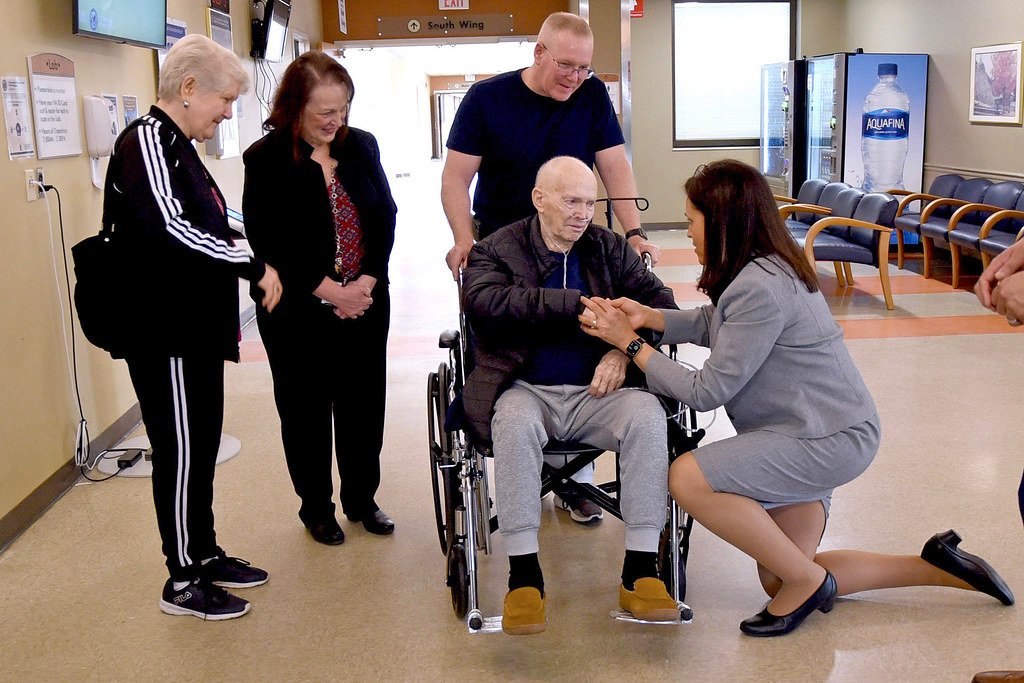
Another real world application is seen in primary care clinics integrating wellness education into routine visits. Through personalized coaching and structured learning, patients gain clarity on metabolic health, physical activity goals, and lifestyle risk factors. Clinics that incorporate education see improved patient engagement and more successful long term outcomes.
These examples illustrate how wellness education continues to pave the way for innovation, bridging the gap between medical guidance and personal empowerment.
Conclusion
Wellness education transforms weight loss from a short term effort into a sustainable lifestyle journey. As research and real world applications continue to demonstrate, learning about nutrition, emotional health, physical activity, and behavior change creates a foundation for long term success. The conversations surrounding access, equity, and stigma remind us that weight loss is multifaceted and deeply influenced by both individual and societal factors. By staying informed, compassionate, and curious, individuals can build healthier relationships with their bodies and forge lasting results. To explore personalized guidance or clinical support, contact CNPprimarycare.com for services and expert care.
Q and A Section
What makes wellness education essential for long term weight loss?
Wellness education offers the knowledge and skills needed to understand personal health behaviors. It focuses on nutrition literacy, emotional awareness, and sustainable lifestyle practices rather than temporary dieting. Readers looking for deeper scientific insights can explore resources on the CDC’s healthy weight portal: https://www.cdc.gov/healthyweight/index.html.
How does wellness education differ from standard dieting?
Dieting usually centers on rules, restrictions, or rapid results. Wellness education helps individuals understand food, metabolism, mindset, and habits so they can make informed decisions. This empowers people to maintain healthier routines long after a diet ends.
Are there limitations to relying on wellness education alone?
While wellness education is powerful, it must be paired with supportive environments, medical guidance when needed, and access to healthy resources. Systemic barriers such as cost and access to fresh foods can still make weight management challenging. Health professionals can help bridge the gap.
Where can someone begin their wellness education journey?
Starting with trusted health organizations and primary care providers is ideal. Evidence based resources such as the NIH at https://www.nih.gov offer research insights, while clinical providers like CNPprimarycare.com can offer personalized support tailored to individual needs.