

Introduction
Over the last several years, telehealth has grown from a niche medical service to a widely accepted part of everyday healthcare in places like Stamford CT. When video visits and patient portals first appeared, many thought they would be used only for quick check ins. Today, telehealth has become a vital tool for primary care, chronic disease follow ups, mental health conversations, and preventive education. Historically, medicine relied heavily on in person visits, which sometimes created obstacles for people with limited time or transportation. Modern technology now brings clinicians into homes and school schedules, opening new possibilities for care.
Telehealth has sparked a mix of excitement and careful debate. How far should virtual care go. Which conditions are appropriate for online visits, and when do families still need in person appointments. As new platforms expand, these questions continue to shape how Stamford residents use telehealth and how providers build safe, personalized digital care.
Unpacking the layers of telehealth in Stamford CT
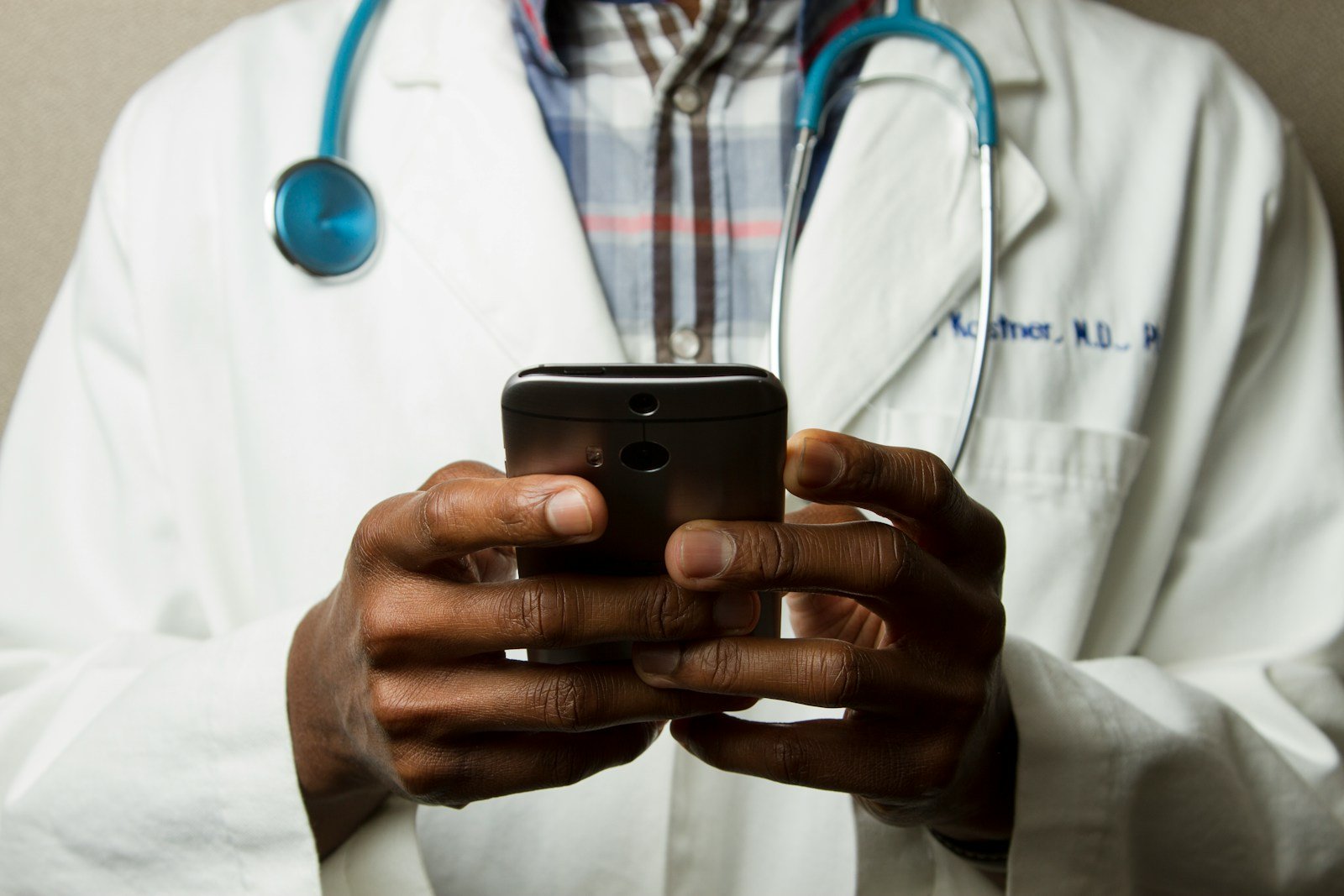
Telehealth usually refers to healthcare services delivered through video, phone, or secure messaging. In Stamford, primary care practices use telehealth to support routine checkups, medication follow ups, and lifestyle guidance. Many patients appreciate being able to ask questions without needing to leave school, work, or home. The Centers for Disease Control and Prevention provides information that helps families understand preventive care and health education that can be discussed during telehealth visits (https://www.cdc.gov/).
Virtual care works especially well for certain services such as mental health counseling, prescription follow ups, and reviewing lab results. For chronic conditions like asthma or high blood pressure, telehealth allows regular communication and timely adjustments. Secure portals make it easier to share concerns, track symptoms, or request refills. The National Institutes of Health offers resources that help patients learn about chronic conditions and healthy lifestyle support that can be reviewed during virtual appointments (https://www.nih.gov).
Telehealth can also connect patients with specialists without long travel times. For example, someone in Stamford may speak with a specialist in another city through a coordinated visit arranged by a primary care provider. These virtual connections expand access to care and reduce scheduling barriers.
Navigating the challenges and debates
Despite its benefits, telehealth raises important questions. One challenge is digital access. Not everyone has a private space, stable internet, or appropriate devices for video calls. This creates gaps in who can receive timely virtual care. Discussions about health equity and fair access continue as organizations explore ways to support families with different needs.
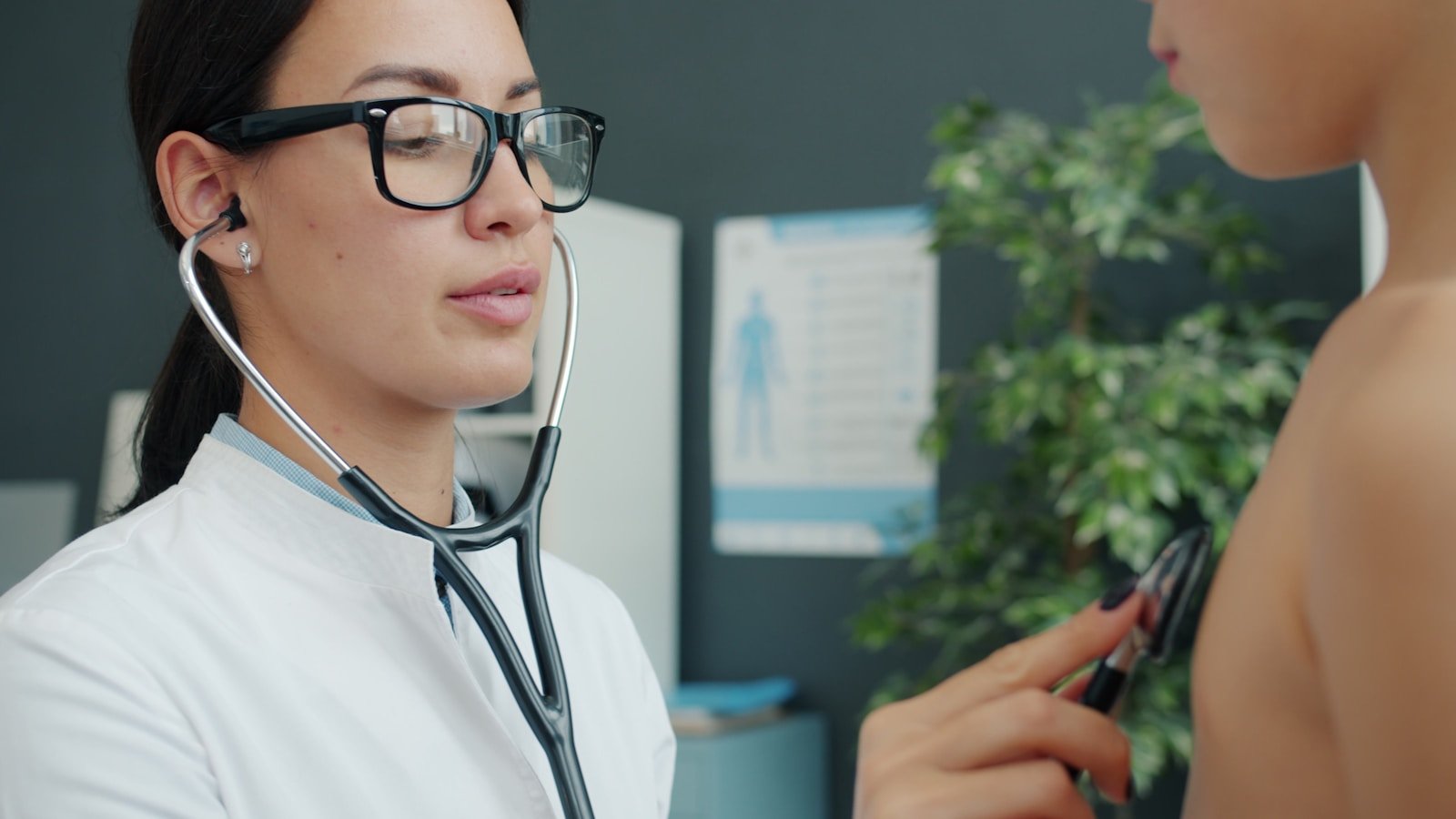
Another debate concerns clinical safety. Telehealth does not replace hands on exams, lab testing, or diagnostic procedures when needed. Licensed clinicians decide whether a visit should be virtual or in person. Some policymakers discuss how far telehealth can safely go, especially for prescribing medications or monitoring specific conditions. Research from the Agency for Healthcare Research and Quality examines the effectiveness of telehealth and its safety in different settings (https://www.ahrq.gov).
Privacy is another topic. Virtual care must meet security standards and protect personal information. Stamford healthcare practices follow federal guidelines designed to keep medical conversations confidential. Patients are encouraged to use secure platforms provided by their healthcare team instead of general messaging apps.
Telehealth can also bring emotional benefits, especially for teens or adults who feel more comfortable speaking from familiar environments. Still, clinicians encourage balanced use of digital and in person care so that medical decisions stay informed and safe.
Real world echoes: case studies and applications
Imagine a Stamford resident with seasonal asthma who finds winter weather difficult. Instead of waiting for a clinic appointment, they schedule a telehealth visit to discuss symptoms and ask about inhaler adjustments. The provider reviews recent patterns, offers preventive strategies, and, if needed, plans an in person exam. This flexible approach helps prevent flare ups and allows quick follow ups when conditions change.
Another example involves someone balancing work and caregiving responsibilities. They use virtual visits to review medication schedules, ask questions about side effects, and learn at home strategies for managing stress. This kind of support helps patients stay connected with primary care while managing personal responsibilities.
Telehealth is also helpful for nutrition or wellness education. Some Stamford clinics offer virtual workshops about healthy habits that patients can join from home. Families and teens can learn at their own pace and ask questions without feeling rushed. Telehealth becomes not only a medical service but also a gateway to ongoing wellness education, preventive conversations, and patient empowerment.
Conclusion
Telehealth in Stamford CT continues to grow as a valuable part of modern healthcare. It supports prevention, chronic disease management, mental health conversations, and everyday questions that help families stay informed. Although digital access, privacy, and clinical safety remain active debates, virtual care offers promising opportunities for convenient and supportive healthcare. The future of telehealth will likely combine digital and in person services, creating flexible options for different needs. Readers are encouraged to explore trustworthy resources, ask questions during appointments, and discuss with licensed professionals when telehealth may be the best choice. To learn more about virtual care options or to schedule a consultation, consider contacting CNPprimarycare.com.
Q and A
When is telehealth a good option
Telehealth is helpful for follow ups, medication checks, mental health support, reviewing lab results, and asking questions about daily health. The CDC offers preventive care information that can guide telehealth discussions (https://www.cdc.gov/).
Do virtual visits replace in person care
Not always. Some situations require physical exams or diagnostic testing. Licensed providers decide whether in person care is needed.
Is telehealth safe and private
Healthcare organizations use secure systems to protect patient information. Patients should use official platforms provided by their clinic. The National Institutes of Health shares general information about digital health and safety (https://www.nih.gov).
Where can Stamford residents learn more
Primary care clinics and community health programs offer telehealth information and virtual services. To explore local options or schedule a visit, you can contact CNPprimarycare.com for guidance.