

Telehealth has rapidly evolved from a convenient alternative to in person visits into a core component of modern healthcare. The rise of digital health technologies, particularly after the global pandemic, reshaped expectations for how people connect with providers and manage ongoing conditions. Today, telehealth plays a pivotal role in long term disease monitoring by offering real time communication, remote diagnostics, and continuous visibility into patient health. Historically, chronic disease management required frequent office visits, manual tracking, and long gaps between assessments. Recent developments have challenged that model, creating new pathways for care that are more flexible, data driven, and accessible. Conversations surrounding telehealth now extend into discussions about equity, ethics, and the future of virtual care, making the subject both timely and complex.
Unpacking the Layers of Telehealth for Long Term Disease Monitoring
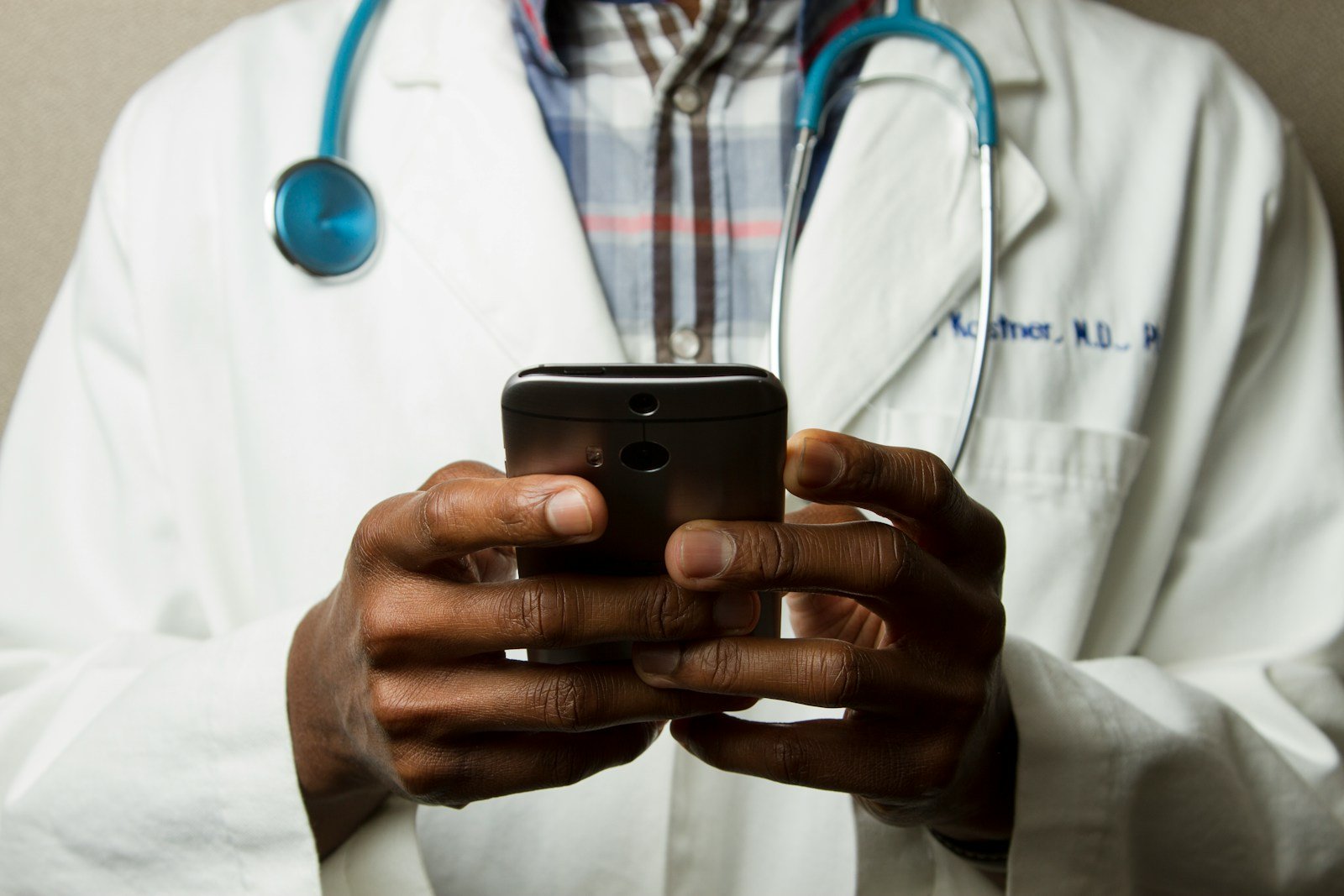
Telehealth encompasses a wide range of tools and strategies that support ongoing care for chronic conditions such as diabetes, hypertension, asthma, and heart disease. The most important layer is remote monitoring, which allows patients to track blood pressure, glucose levels, weight, oxygen saturation, and other vital signs from home. Devices connected to smartphones or virtual platforms send data directly to healthcare teams, enabling more informed and timely interventions. The National Institutes of Health provides insights into chronic disease telehealth strategies at https://www.nih.gov.
Another layer of telehealth involves virtual appointments. For many patients, regular follow ups are essential, but commuting or scheduling conflicts can be barriers. Telehealth reduces these burdens while still allowing providers to evaluate symptoms, adjust medications, and answer concerns in real time. Organizations like the Centers for Disease Control and Prevention outline telehealth benefits for chronic disease care at https://www.cdc.gov.
A third dimension includes patient education. Through online portals, apps, and video consultations, individuals can receive personalized guidance on diet, exercise, symptom tracking, and medication adherence. This integrated approach strengthens patient engagement and encourages better decision making. Telehealth also enhances care coordination among specialists, primary care providers, and caregivers. These interconnected layers make telehealth a versatile tool for long term disease management.
Navigating the Challenges and Debates
While telehealth expands access and improves continuity of care, it also raises complex debates and challenges. One ongoing debate concerns the digital divide. Not everyone has equal access to internet connectivity, smart devices, or digital literacy support. This gap can inadvertently widen existing healthcare disparities. Discussions about technology access and inclusion continue to shape telehealth policy.
Privacy and data security present another significant challenge. Remote monitoring devices and virtual platforms collect sensitive health information. Protecting this data from misuse or breaches requires strict safeguards and ongoing updates. Ethical questions arise regarding who controls patient data, how long it is stored, and how it is used in clinical decision making.
There is also debate about the limitations of virtual care. Some conditions require hands on assessments, imaging, or procedures that telehealth cannot replace. Healthcare professionals must determine when telehealth is appropriate and when in person visits are necessary. The American Medical Association provides ongoing analysis of telehealth debates at https://www.ama-assn.org.
Concerns about overreliance on automated data or digital algorithms add another layer to these discussions. While technology supports monitoring, human oversight remains critical. These debates highlight the importance of balancing convenience with quality, efficiency with equity, and innovation with responsibility.
Real World Echoes: Case Studies and Applications
A compelling real world example of telehealth’s power can be seen in hypertension management programs that use remote blood pressure monitors. Patients upload readings to a secure portal, and clinicians receive alerts when values exceed safe ranges. Over six months, participants in one such program experienced improved blood pressure control and reduced emergency visits. This case illustrates how consistent virtual monitoring can prevent complications.
Another successful application comes from diabetes care. Patients use continuous glucose monitors that transmit data to mobile apps. Healthcare providers can identify trends, adjust insulin regimens, and provide coaching based on real time information. These systems have helped reduce fluctuations in blood sugar and improve long term control.
In heart failure care, telehealth has enabled early detection of worsening symptoms. Weight fluctuations and oxygen levels can signal fluid retention or cardiac strain. Remote monitoring allows providers to intervene earlier, often preventing hospital admissions. Families and caregivers also report feeling more informed and supported when virtual systems are in place.
These examples show how telehealth strengthens communication, improves outcomes, and supports people in managing complex health needs. They also reveal areas for continued innovation, such as expanding device accessibility and refining digital education tools.
Conclusion
Telehealth has become an essential component of long term disease monitoring, bridging gaps in access, providing real time insights, and empowering individuals to take a more active role in their health. Its growing presence reflects shifts in technology, expectations, and healthcare delivery. While challenges remain, including privacy concerns, equity issues, and the need for ongoing evaluation, the potential benefits are far reaching. Telehealth represents a dynamic and evolving pathway for more personalized and proactive chronic care. As conversations continue, patients and providers alike are discovering new ways to collaborate virtually with confidence and clarity.
For personalized chronic care and telehealth support, contact CNPprimarycare.com today.
Q&A Section
How does telehealth improve long term disease monitoring?
Telehealth allows healthcare providers to track vital signs, symptoms, and medication responses in real time. Continuous oversight helps detect issues early, prevent complications, and support patients between visits.
What types of conditions benefit most from telehealth monitoring?
Conditions such as diabetes, hypertension, asthma, heart failure, and chronic obstructive pulmonary disease benefit greatly from telehealth. These conditions require ongoing tracking and timely adjustments that virtual tools help facilitate.
Are there limitations to telehealth for chronic disease care?
Yes. Telehealth cannot replace physical exams, imaging, or procedures that must be performed in person. It works best as a complement to traditional care rather than a full replacement.
Where can I learn more about telehealth resources?
You can explore telehealth insights from the CDC at https://www.cdc.gov and research updates from the NIH at https://www.nih.gov. These sources offer comprehensive guidance on virtual care, remote monitoring, and chronic disease support.