

Telehealth has rapidly evolved into one of the most significant advancements in modern healthcare. What once began as a service mainly used in remote or underserved regions has now become an essential tool for managing long term health conditions across the country. In Stamford, where diverse communities and fast paced lifestyles shape daily health needs, telehealth offers a bridge between patients and consistent, accessible care. Its growth was accelerated by the global shift during the pandemic, but its continued expansion stems from broader conversations about healthcare equity, personalized care models, and long term disease management. Telehealth sits at the center of these discussions, offering new opportunities while raising questions about its role in the future of chronic care.
Unpacking the Layers of Telehealth for Chronic Disease Management
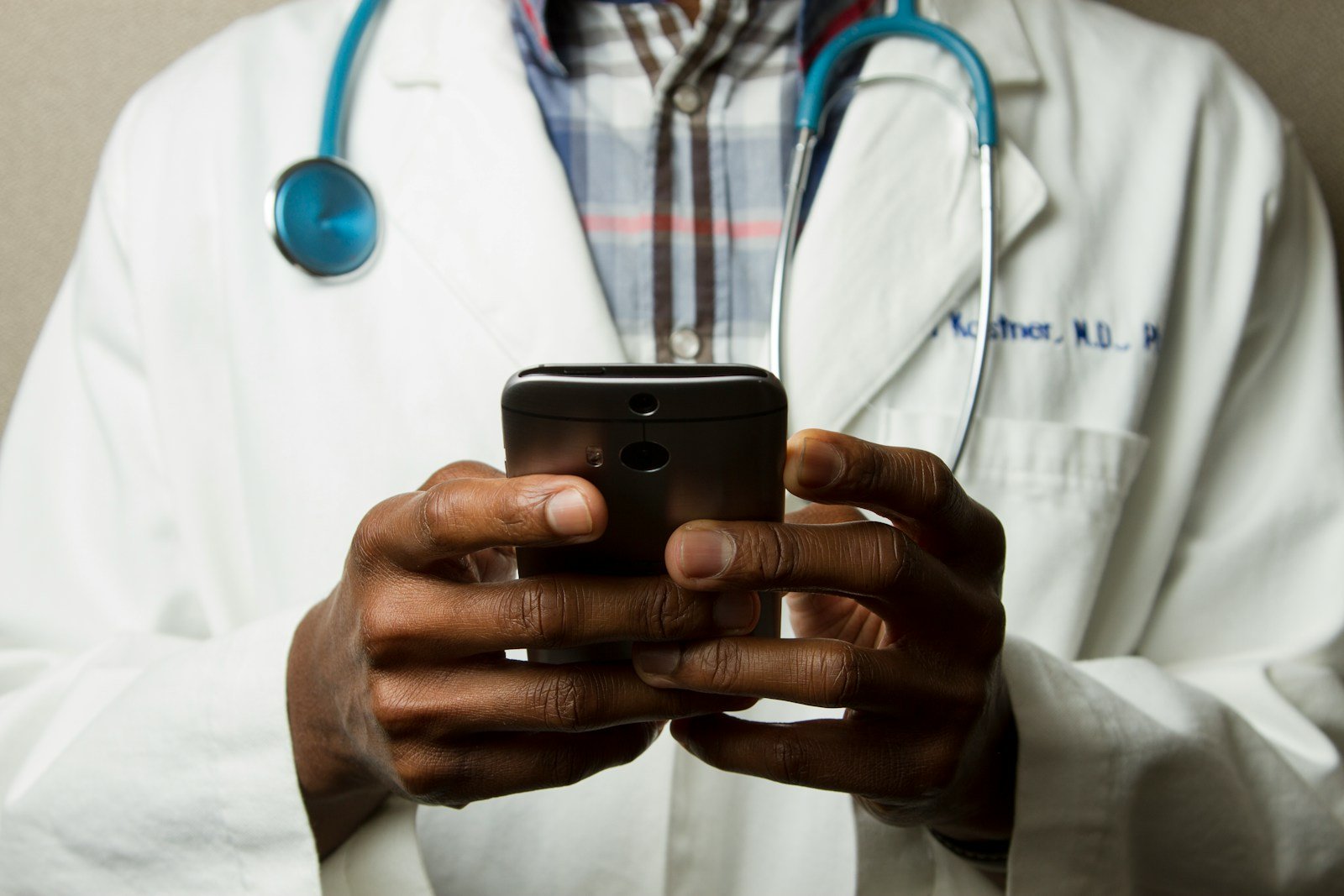
Telehealth brings multiple layers of benefit for chronic disease management, especially for residents of Stamford who often balance demanding schedules with ongoing health needs. Chronic conditions such as diabetes, high blood pressure, asthma, COPD, heart disease, and long term autoimmune issues require regular monitoring. Telehealth facilitates this continuity by providing easy access to virtual check ins, medication adjustments, remote monitoring, and lifestyle guidance. Patients can schedule follow ups without transportation hurdles or long wait times, making it easier to catch problems before they escalate.
Remote patient monitoring tools also contribute to effective telehealth care. Devices that track blood pressure, glucose, weight, or oxygen levels allow clinicians to view real time trends and adjust treatment plans accordingly. The National Institutes of Health discusses the growing role of telehealth in chronic disease care at https://www.nih.gov. Similarly, data from the American Heart Association has shown that virtual monitoring can significantly improve outcomes for conditions like hypertension. Their resources are available at https://www.heart.org.
Telehealth also supports holistic care. Patients can receive nutritional counseling, behavioral health support, and therapy sessions tailored to chronic disease management. For Stamford residents, this range of services means they can manage their health in a more integrated, personalized way without compromising on convenience.
Navigating the Challenges and Debates
Despite its advantages, telehealth brings challenges and ongoing debates that shape public discussion. One major concern is technological access. Not every Stamford household has a stable internet connection or digital device capable of supporting video visits. This creates disparities that healthcare leaders must address to ensure equitable access to care.
Another significant debate involves the limitations of virtual examinations. Some chronic conditions require regular physical checks, lab tests, or hands on diagnostics that telehealth cannot provide. This raises questions about when telehealth should complement care versus when in person visits remain essential. The American Medical Association explores these concerns at https://www.ama-assn.org.
Privacy and data security are also central to the conversation. Patients managing chronic conditions often share extensive medical information through digital platforms. Ensuring privacy compliance and data protection remains a priority for healthcare systems and telehealth technology providers.
Additionally, there is ongoing discussion about reimbursement policies. While many insurers expanded telehealth coverage during the pandemic, long term regulations continue to evolve. These debates influence how accessible and affordable telehealth will be in the coming years. For Stamford residents who rely on consistent chronic disease care, these complexities highlight the importance of staying informed and discussing options with their healthcare providers.
Real World Echoes: Case Studies and Applications
Telehealth’s impact comes to life through the experiences of real patients. One Stamford resident managing Type 2 diabetes found that consistent virtual check ins helped stabilize glucose levels. By uploading daily blood sugar readings through a secure portal, the clinician could adjust the treatment plan from week to week. This reduced emergency visits and helped the patient better understand how lifestyle choices influenced their numbers.
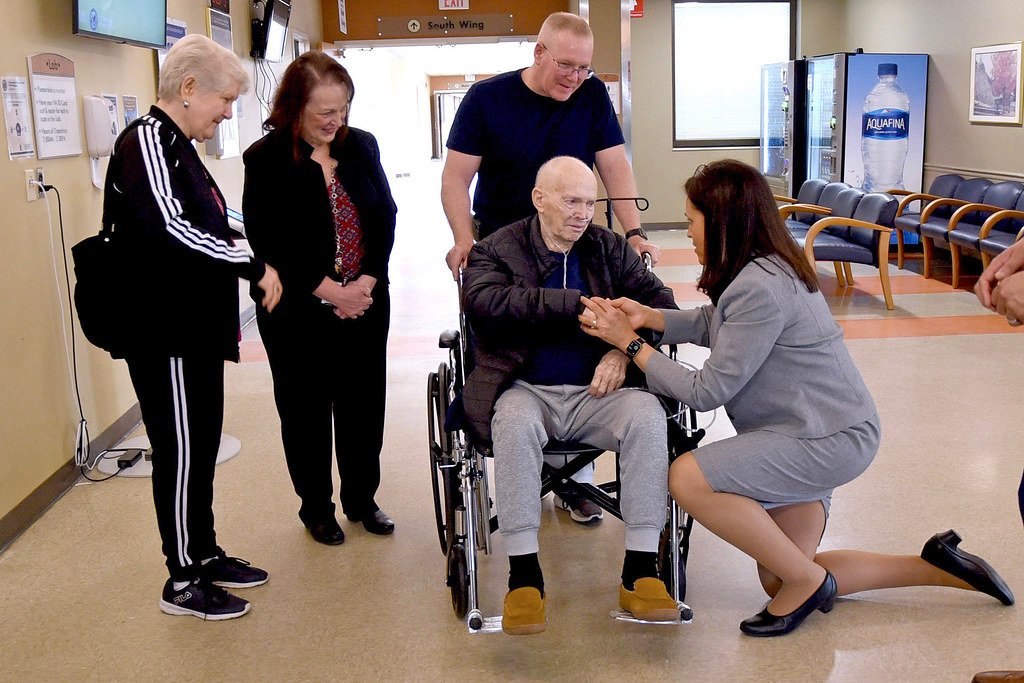
Another example comes from a Stamford senior living with COPD. Through telehealth, the patient was able to meet with a respiratory specialist without leaving home. Remote oxygen level monitoring allowed the care team to identify early signs of decline and intervene quickly. This collaboration led to fewer hospitalizations and greater confidence in managing symptoms.
Parents of children with asthma have also benefited from telehealth. Virtual visits make it easy to review inhaler techniques, update action plans, and evaluate triggers. With the ability to send videos or symptom logs ahead of the appointment, healthcare providers can create more effective management strategies.
These real world applications show that telehealth is not a one size fits all solution, but rather a flexible approach that can support individualized care. For Stamford residents managing chronic conditions, it creates a path toward more connected, convenient, and informed health decisions.
Conclusion
Telehealth is transforming chronic disease management by bringing care directly into the homes of Stamford residents. Its benefits include convenience, better monitoring, improved communication, and more personalized treatment. Yet its challenges and ongoing debates remind us that telehealth is still evolving. By understanding both its potential and its limitations, patients can use virtual care strategically and effectively. As chronic conditions continue to play a major role in public health, telehealth will remain a vital tool for creating accessible, patient centered care. To explore telehealth services or receive chronic disease support, contact CNPprimarycare.com.
Q&A Section
What chronic conditions can be managed through telehealth?
Telehealth can support conditions such as diabetes, hypertension, heart disease, asthma, COPD, arthritis, obesity, anxiety, and depression. Remote monitoring devices make it easier for clinicians to track progress between visits. More information is available at https://www.nih.gov.
Is telehealth as effective as in person care for chronic diseases?
Telehealth is effective for many aspects of chronic care, including symptom review, medication management, lifestyle counseling, and remote monitoring. However, certain tests and physical exams still require office visits. A combined approach often works best.
How can Stamford residents prepare for a telehealth visit?
Test your device, gather recent readings such as blood pressure or glucose logs, prepare questions, and choose a quiet space. This preparation ensures your appointment is productive and focused.
Is my medical information secure during telehealth visits?
Most healthcare providers use secure, HIPAA compliant platforms. You can review privacy guidance through the US Department of Health and Human Services at https://www.hhs.gov.
For support with chronic disease management or to schedule a telehealth appointment, contact CNPprimarycare.com.