


Introduction
In a world that moves faster than ever, families often struggle to maintain consistent healthy routines. From juggling school schedules and work commitments to managing extracurricular activities, the challenge of keeping every family member healthy can feel overwhelming. Historically, wellness advice was fragmented, with generic recommendations that didn’t account for age-specific needs or family dynamics. Today, a growing emphasis on family-centered wellness underscores the importance of tailored habits that support physical, mental, and emotional health across all life stages.
Recent developments in public health, pediatric care, and nutrition highlight the benefits of early intervention, consistent routines, and family engagement. From promoting balanced nutrition and regular physical activity to fostering mental well-being and preventive care, family wellness is no longer just a personal goal—it is a collective investment in lifelong health.
Unpacking the Layers of Stamford Family Wellness: Healthy Habits at Every Age
Family wellness is a multifaceted concept, encompassing not only physical health but also emotional, social, and cognitive well-being. Experts suggest that cultivating healthy habits from an early age sets the foundation for lifelong health.
For children, habits like regular physical activity, balanced nutrition, and adequate sleep are critical for growth and development. According to the American Academy of Pediatrics (www.aap.org), establishing structured routines and involving children in meal planning can improve adherence to healthy behaviors.
For adults, family wellness often revolves around balancing work, self-care, and household responsibilities. Simple practices like meal prepping, daily exercise, and stress management strategies contribute to long-term vitality. Engaging in shared activities with family members not only improves physical health but strengthens bonds and supports mental resilience.
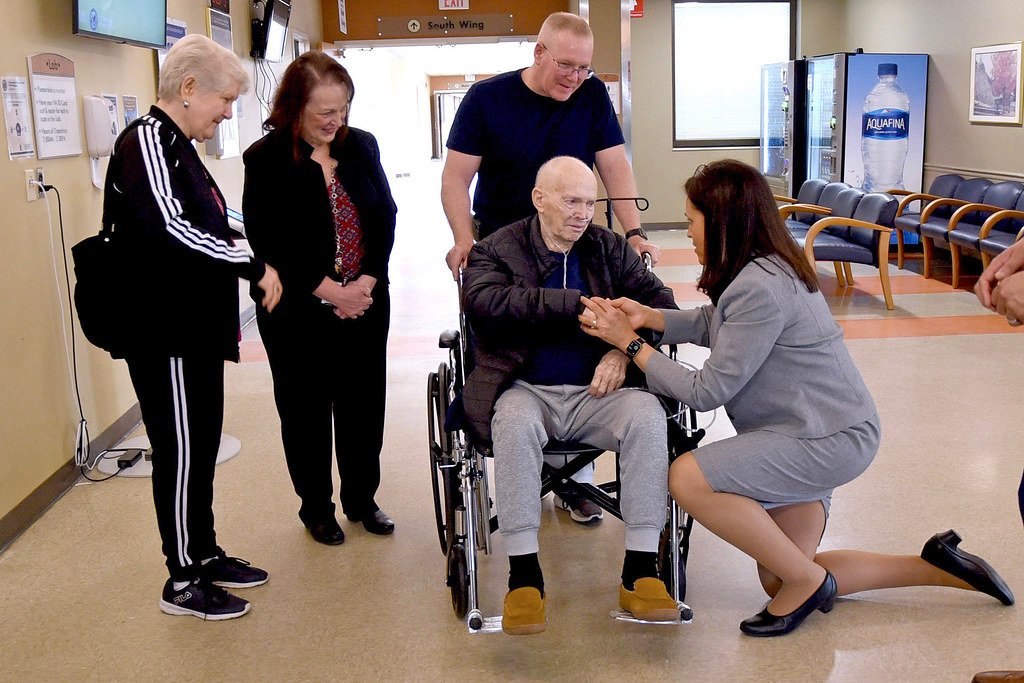
For seniors, maintaining mobility, cognitive health, and social engagement becomes increasingly important. Family involvement in regular check-ups, safe exercise routines, and nutrition monitoring ensures that aging relatives remain active, connected, and independent.
By viewing wellness as an interconnected family ecosystem, Stamford residents can adopt habits that benefit every member, creating a culture of health that spans generations.
Navigating the Challenges and Debates
Despite the clear benefits of family wellness, implementing healthy habits across ages presents notable challenges. One key barrier is time constraints. Busy schedules, work obligations, and extracurricular commitments can make it difficult for families to prioritize consistent routines.
Another challenge is conflicting health advice. With an abundance of online information, families often encounter contradictory guidance regarding nutrition, fitness, or mental health practices. This can lead to confusion or inconsistent implementation. Experts emphasize the need for evidence-based strategies and professional guidance to navigate these complexities.
Socioeconomic factors also play a role. Access to healthy foods, safe recreational spaces, and preventive healthcare services is not uniform across communities. Public health debates continue around how to ensure equitable access to wellness resources while empowering families to make informed choices.
Emerging discussions also explore technology’s double-edged role. Fitness apps, online meal planning tools, and telehealth can support family wellness, yet excessive screen time and digital distractions may counteract benefits if not carefully managed.
Real-world Echoes: Case Studies and Applications
Consider the Johnson family of Stamford. With two children, a busy work schedule, and an elderly grandparent at home, establishing a wellness routine seemed daunting. By collaborating with their primary care provider, they implemented a family-centered wellness plan that included:
- Weekly meal planning sessions to ensure balanced nutrition for all ages.
- Daily group walks and weekend activities to integrate exercise seamlessly.
- Mental health check-ins, fostering open communication and emotional support.
Within months, the Johnson family reported improved energy levels, fewer sick days, and stronger family connections. Their pediatrician noted enhanced growth markers in the children, while the senior family member experienced increased mobility and social engagement.
Local Stamford wellness programs echo these outcomes. Community initiatives that focus on family education, accessible fitness classes, and collaborative health screenings demonstrate measurable improvements in preventive care adherence, chronic disease management, and overall well-being.
Conclusion
Family wellness is an evolving concept that requires attention, intention, and collaboration. By cultivating healthy habits tailored to each age group—children, adults, and seniors—families can enjoy improved physical health, stronger emotional resilience, and deeper connections. While challenges like time constraints, conflicting advice, and access disparities remain, professional guidance and evidence-based strategies can bridge these gaps.
For Stamford families seeking support in developing comprehensive wellness plans, CNPprimarycare.com offers personalized guidance and resources to help every member thrive.
Q&A Section
What is family wellness, and why is it important?
Family wellness is the collective practice of promoting physical, emotional, and social health across all family members. It strengthens bonds, prevents chronic conditions, and supports lifelong well-being.
How can busy families integrate healthy habits into daily routines?
Start small: schedule shared meals, incorporate physical activity into family time, prioritize sleep, and set aside moments for mental well-being. Using tools like meal planners or exercise apps can help maintain consistency.
What role do healthcare providers play in family wellness?
Primary care providers guide families in preventive care, screen for age-specific health risks, provide nutrition advice, and help establish sustainable wellness plans.
Are there local resources in Stamford to support family wellness?
Yes. Community programs, parks, recreational centers, and clinics like CNP Primary Care offer educational workshops, fitness activities, and wellness consultations tailored for families.