


Across the United States, communities are grappling with the growing needs of an aging population, and Stamford CT is no exception. With longer life expectancy and the rising prevalence of chronic conditions, seniors often rely on multiple prescriptions to maintain their health and independence. This shift has placed medication management at the center of modern senior care conversations.
Historically, families and primary care physicians played a straightforward role in supporting older adults with their medications. Today, new pharmaceuticals, digital tools, and evolving healthcare systems have introduced both opportunities and challenges. From smart pill dispensers to community based health programs, the landscape continues to expand. At the same time, concerns about polypharmacy, safety risks, and equitable access have made the issue more complex.
These intersecting themes have made medication management a topic rich with nuance. It is influenced by medical science, social structures, and personal experience. As Stamford’s senior population grows, so does the importance of understanding how best to support them. This article explores those layers and invites readers to reflect on the evolving role of medication support in senior wellbeing.
Unpacking the Layers of Stamford CT Medication Management for Seniors
Effective medication management rests on several interconnected elements. At its core is the coordination between seniors, caregivers, and healthcare providers. Seniors in Stamford may receive care from multiple specialists, each prescribing treatment plans that need careful alignment. When communication gaps occur, the risk of duplicated medications or harmful interactions rises.
Another layer involves awareness and education. As medications become more specialized, understanding dosages and potential side effects becomes increasingly important. Many seniors rely on family members to help interpret medication instructions, while others depend on pharmacists or home care professionals. Authoritative resources such as the Centers for Disease Control and Prevention provide helpful overviews of safe medication use (https://www.cdc.gov/medicationsafety).
Technology also plays a growing role. Digital reminders, remote monitoring tools, and telehealth appointments allow clinicians to track adherence and adjust prescriptions when needed. These innovations can improve safety, yet they also raise questions about accessibility for seniors who are less comfortable with technology.
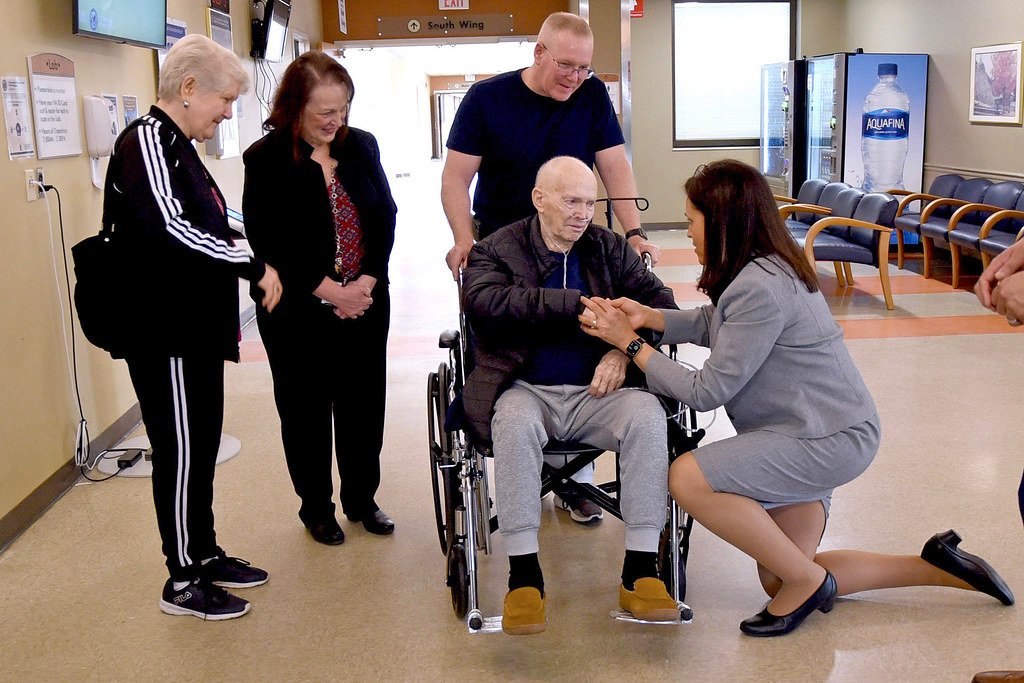
Lastly, Stamford’s healthcare environment shapes the experience of seniors managing medications. Local clinics, visiting nurse services, and primary care practices all contribute to the ecosystem. Together, they help create a support network that can greatly influence health outcomes, independence, and overall quality of life.
Navigating the Challenges and Debates
Medication management is filled with ongoing debates that reflect broader healthcare concerns. One persistent challenge is the issue of polypharmacy, which occurs when individuals take multiple medications at once. While many seniors benefit from a combination of treatments, excessive or overlapping prescriptions can increase the risk of falls, cognitive changes, and hospitalizations. Research from the National Institute on Aging highlights these risks and encourages regular medication reviews (https://www.nia.nih.gov).
Another debate involves the role of technology. Supporters view digital medication tools as essential for reducing human error and enhancing communication. Critics, however, point out that not all seniors have equal access to or comfort with devices. This tension reveals the need for solutions that are both innovative and inclusive.
Ethical questions also arise around autonomy. Seniors may want to maintain independence in managing their own medications, yet caregivers may feel compelled to intervene for safety reasons. Balancing respect for personal choice with responsible oversight can be complex and emotionally charged.
Finally, affordability continues to shape the conversation. Medication costs and insurance limitations can influence adherence, leading to disparities in health outcomes. These issues extend beyond Stamford, but they impact local families in very real ways.
Real World Echoes: Case Studies and Applications
Real world examples illustrate how thoughtful medication management can improve senior health. Consider the case of a Stamford resident navigating three chronic conditions. With multiple specialists involved, she relied on a primary care team to review her medications regularly. By identifying interactions she was unaware of, her providers reduced her medication load and improved her overall stability. This type of coordinated care demonstrates how a collaborative approach can prevent complications.
Another example can be seen in home based support programs that assist seniors with organizing weekly medications. Such programs provide on site guidance, schedule reinforcement, and personalized monitoring. Seniors often report greater confidence and fewer missed doses, especially when caregivers visit consistently.
Technology based case studies offer additional insight. Some seniors in Stamford who adopted automated pill dispensers reported improved adherence and fewer emergency visits. At the same time, others struggled with setup or maintenance, reminding us that solutions must be tailored to the individual. These successes and challenges highlight the complex, human centered nature of medication management.
Together, these examples show how real world applications can inform better practices and help refine future innovations in the field.
Conclusion
Medication management for seniors in Stamford CT is a dynamic and multifaceted topic shaped by medical advances, personal needs, and community resources. From the complexities of polypharmacy to the promise of supportive technologies, it reflects broader shifts in how society cares for its aging population. By examining its layers, challenges, and practical applications, we gain a deeper appreciation for the work involved in ensuring safe and meaningful senior care.
Readers are encouraged to continue exploring this topic, reflect on its implications, and engage in conversations with healthcare professionals and loved ones. Thoughtful medication management can make a significant difference in senior wellbeing and independence,For personalized pediatric services, visit CNPPrimaryCare.com.
Q&A Section
What makes medication management especially important for seniors in Stamford CT?
Seniors often manage multiple prescriptions due to chronic conditions. Coordinated oversight helps prevent harmful interactions, improves consistency, and supports independence. Local healthcare services and home based support programs in Stamford can provide added structure.
How can families help seniors manage medications more safely?
Families can assist with organizing pill boxes, attending appointments, tracking side effects, and scheduling regular medication reviews with healthcare providers. Educational resources such as MedlinePlus offer reliable guidance (https://medlineplus.gov/medicines).
What role does technology play in supporting medication adherence?
Helpful tools include digital reminder apps, automated dispensers, and telehealth check ins. These solutions can strengthen communication between seniors and providers, though they must be matched to each person’s comfort level and abilities.
Where can seniors find trusted information about medication safety?
Authoritative sources include the National Institute on Aging, the Centers for Disease Control and Prevention, and licensed healthcare professionals. These resources offer clear explanations, safety tips, and research updates.