

Many older adults today are living active lives well into their retirement years, but chronic pain remains one of the most common age related challenges. Years ago, persistent pain was often viewed as an unavoidable part of aging. Today, healthcare recognizes pain as a condition that deserves attention, treatment, and compassionate management. Stamford CT seniors and their families continue to explore new options that support independence and quality of life.
Questions continue to emerge as treatments evolve. How can pain be reduced without limiting mobility. Should medication be the primary solution, or should non medication approaches come first. These ongoing discussions highlight why pain management has become a central part of senior wellness across the country.
Unpacking the layers of pain management
Pain management for older adults involves a combination of medical treatment, lifestyle strategies, and preventive care. Chronic pain may result from arthritis, nerve conditions, past injuries, or chronic illness. Primary care providers help evaluate the source of pain and recommend options based on personal history and daily needs. The Centers for Disease Control and Prevention shares general information about chronic pain (https://www.cdc.gov).
Medication can play a role, but doctors often aim to use the lowest effective dose and consider alternatives such as topical treatments, physical therapy, or guided exercises. Some pain medications interact with common prescriptions, so careful planning is essential.
Movement is another key element. Gentle stretching, walking, or physical therapy helps maintain joint flexibility and reduce stiffness. Community exercise programs also encourage social connection.
Complementary strategies such as heat therapy, cold packs, or relaxation techniques sometimes reduce discomfort. The National Institutes of Health provides research related to aging and pain management (https://www.nih.gov).
Navigating the challenges and debates
Pain management presents ethical and medical questions. One major debate centers on medication use. Some medications are effective for short term relief but may carry risks, especially for older adults with multiple prescriptions. Providers weigh benefits carefully and discuss alternative approaches.
Under treatment is another concern. Some seniors hesitate to report pain because they do not want to appear burdensome or worry about needing more healthcare. Providers encourage open conversations and regular check ins.
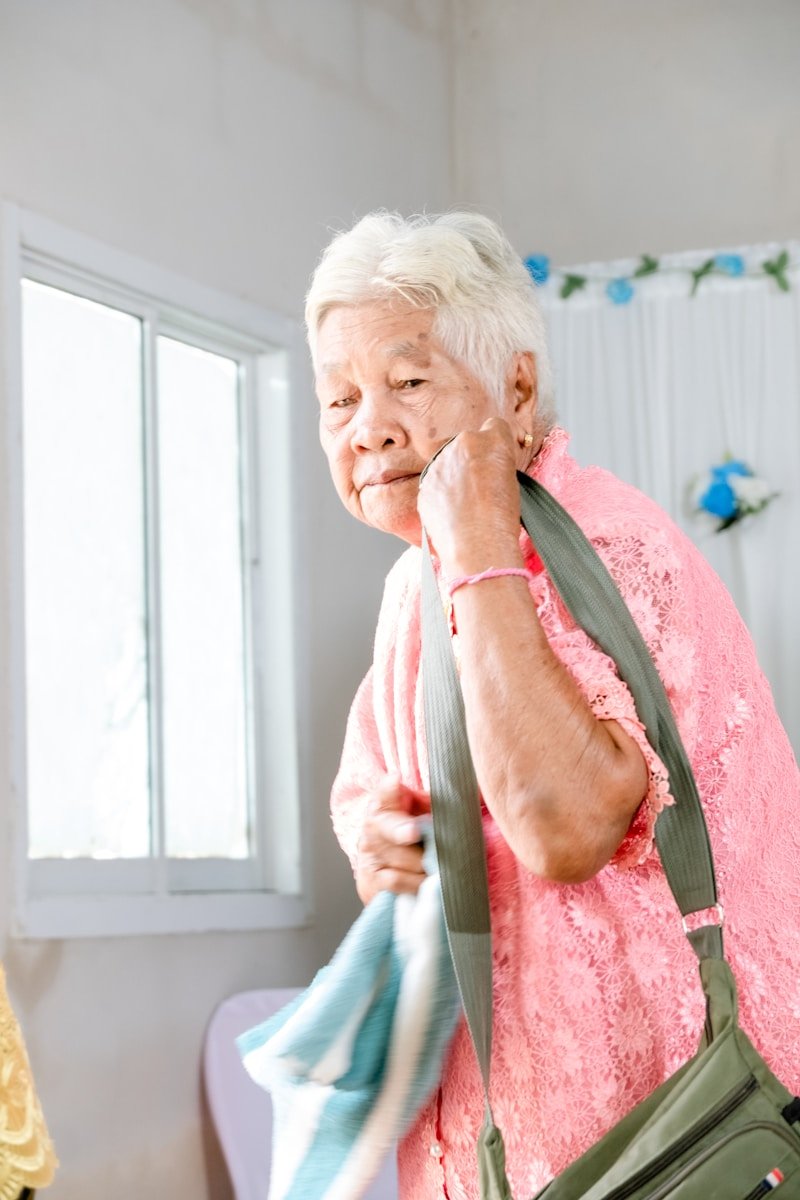
Another challenge involves mobility. When pain limits walking or daily activities, quality of life can decline. The goal is to help seniors stay active without pushing through severe discomfort.
Emotional wellness matters too. Pain can affect mood, sleep, and social engagement. Primary care visits may include questions about sleep habits, mental health, or fatigue. The Agency for Healthcare Research and Quality offers information related to chronic pain and older adult care (https://www.ahrq.gov).
Real world echoes: case studies and applications
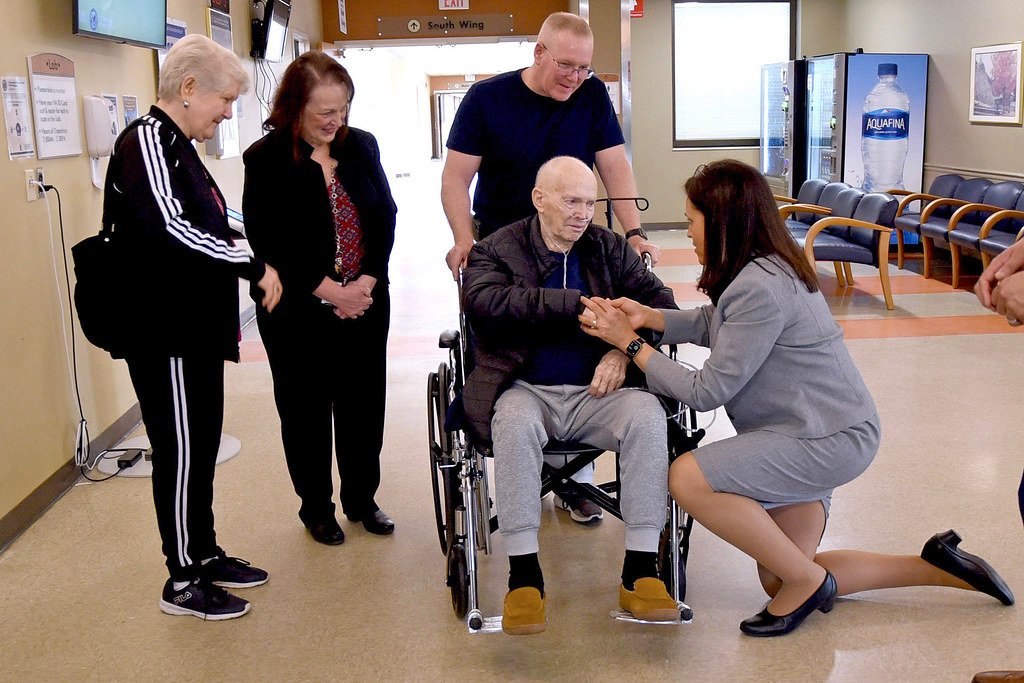
Imagine a Stamford resident with arthritis who feels more stiffness in the morning. During a primary care visit, the provider reviews medications and suggests warm showers, stretching routines, and scheduled activity breaks. Over time, these strategies help reduce stiffness and improve flexibility.
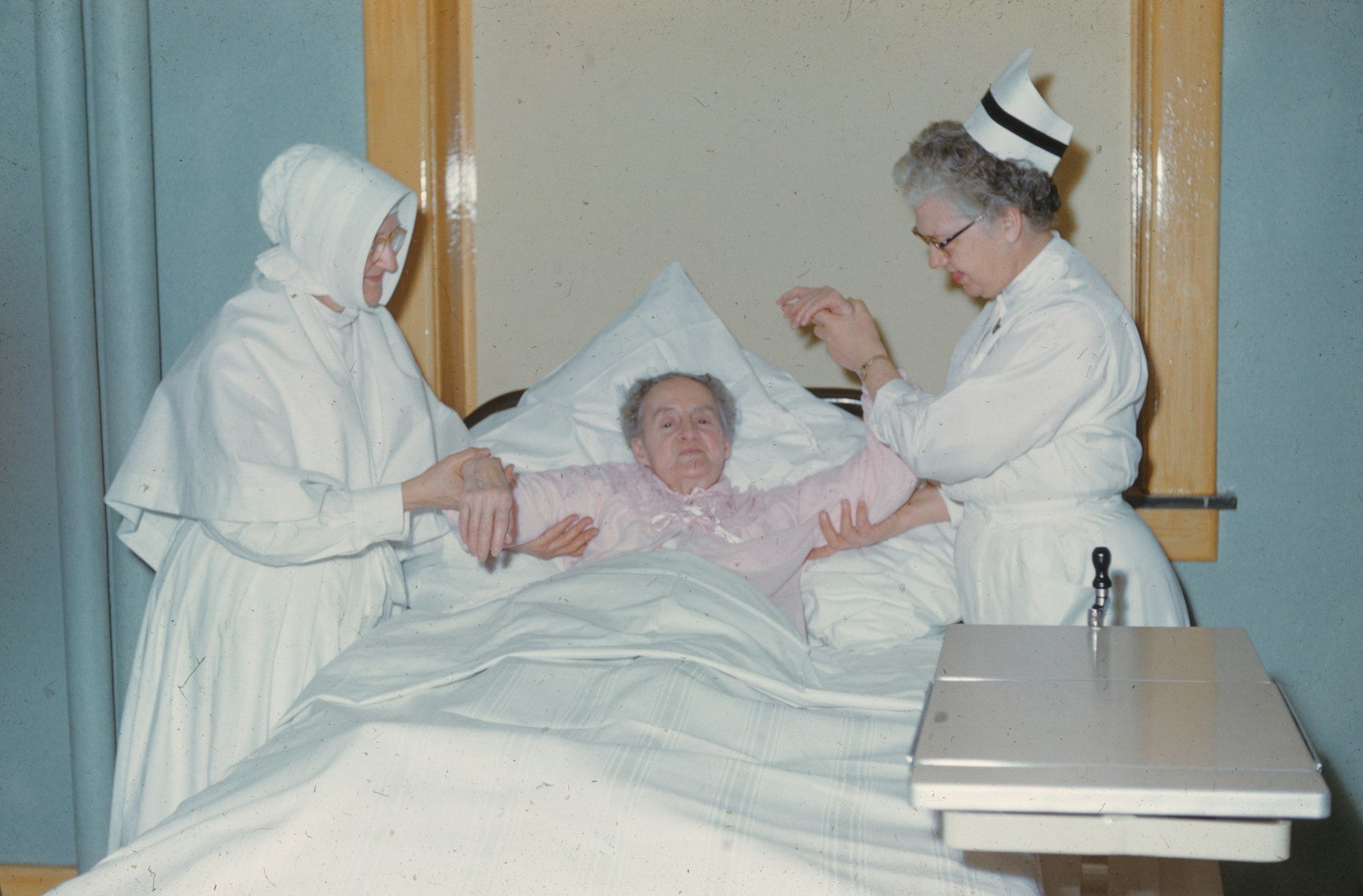
Another fictional example involves a senior recovering from an old injury who uses a heating pad at night. After experiencing occasional dizziness from pain medication, the provider adjusts the medication plan and recommends gentle exercises. The patient sleeps better and feels more energized during the day.
Telehealth follow ups also support pain management. Seniors who have trouble traveling during colder months can discuss symptoms or medication updates through virtual appointments, keeping pain under control without waiting for in person availability.
Conclusion
Pain management solutions for Stamford seniors are evolving, with a growing focus on comfort, independence, and long term health. Rather than accepting pain as unavoidable, today’s care encourages personalized strategies that blend medical treatment with lifestyle support and preventive care. Open conversations with primary care providers help seniors explore safe options, reduce discomfort, and continue enjoying everyday activities. To learn more or schedule an appointment, consider contacting CNPprimarycare.com for guidance.
Q and A
What causes chronic pain in older adults
Arthritis, nerve conditions, past injuries, and chronic illnesses are common causes. The CDC provides general information about chronic pain (https://www.cdc.gov).
Are medications always required
Not always. Many seniors benefit from physical therapy, stretching, topical treatments, or lifestyle adjustments. Providers help determine the best approach.
Can pain affect emotional wellbeing
Yes. Chronic pain can influence mood, sleep, and social engagement. The NIH offers information about aging and pain management (https://www.nih.gov).
Where can Stamford families learn more
Primary care providers, community wellness programs, and national health organizations share pain management guidance. Stamford families may contact CNPprimarycare.com for support and resources.