


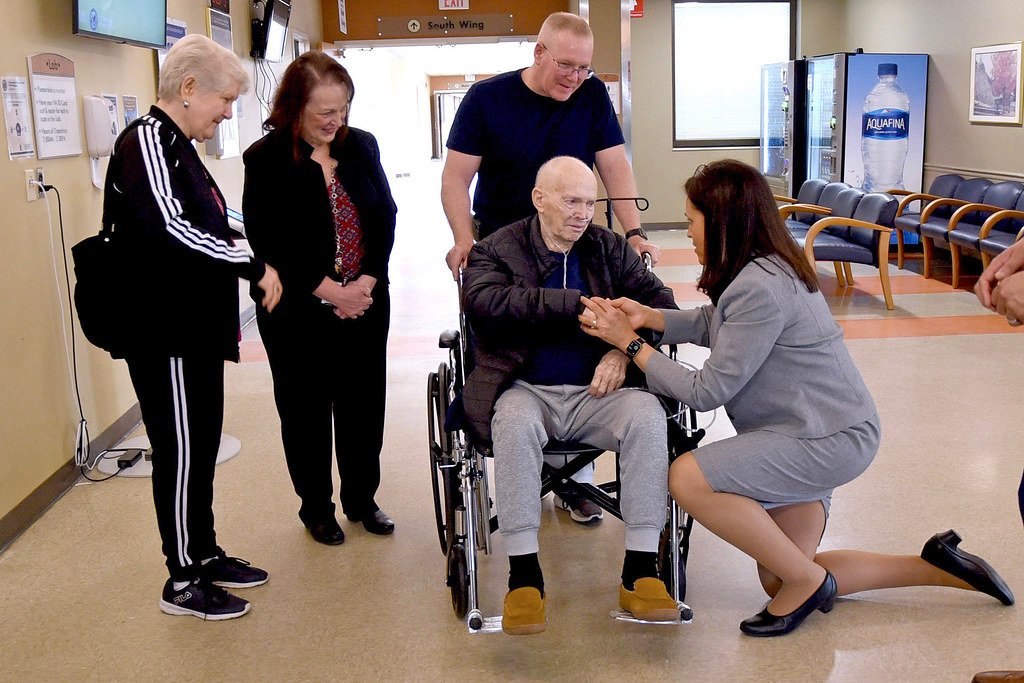
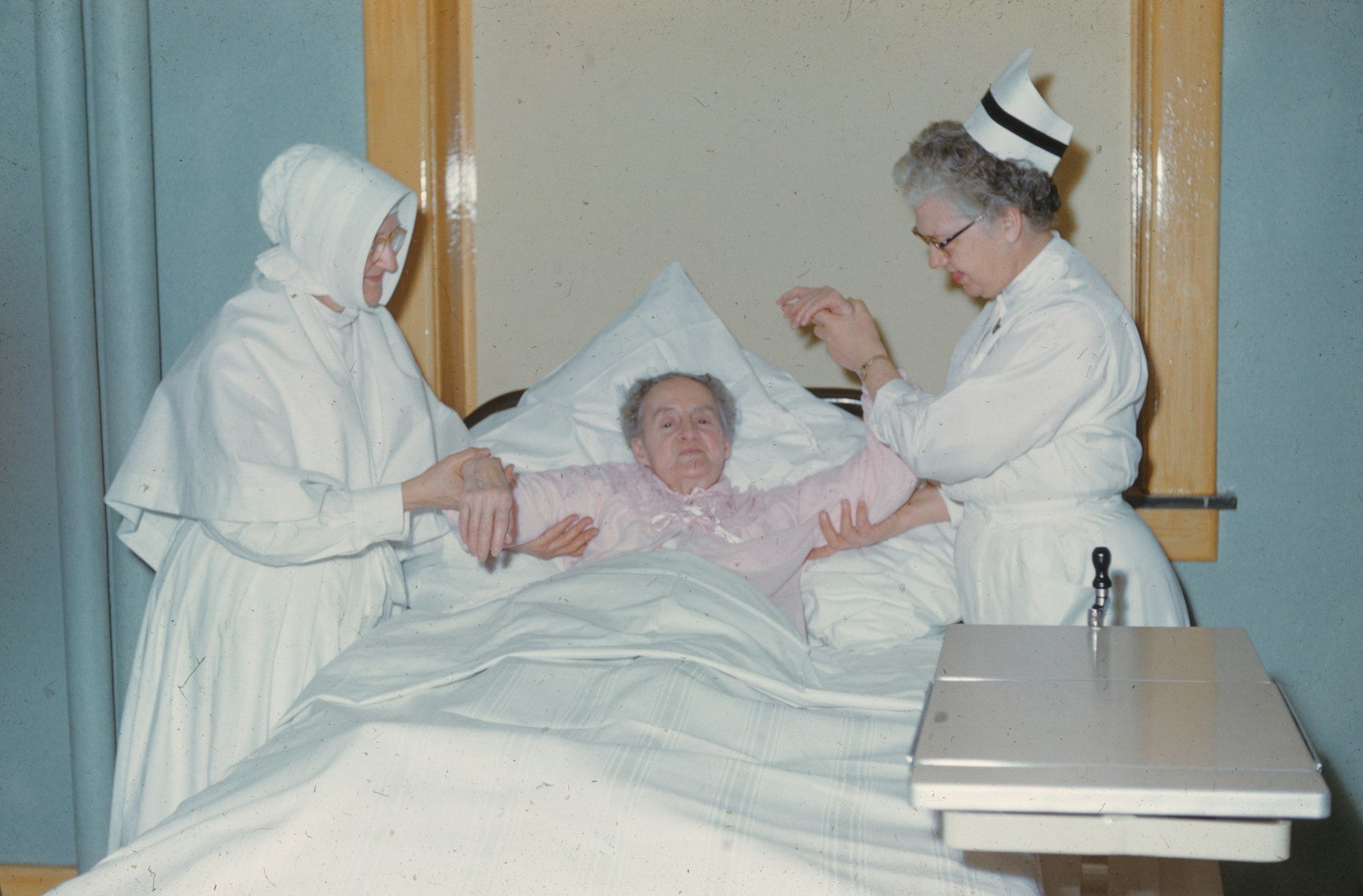

Around the world, people are living longer than ever, creating new opportunities and new health questions for older adults and their families. Decades ago, seniors often visited a doctor only when they felt ill. Today, primary care has shifted toward prevention, early detection, and long term wellbeing. This shift reflects a broader change in medical thinking that places quality of life at the center of healthcare.
Even as these services grow, important discussions continue. What does quality of life really mean for older adults. Should healthcare focus more on independence, symptom management, or long term planning. Rather than presenting simple answers, the conversation encourages thoughtful choices that reflect personal values, community resources, and evolving science.
Unpacking the layers of primary care and aging
Primary care plays a central role in guiding healthy aging. Regular checkups, screenings, and medication reviews help detect concerns early, often long before symptoms interfere with daily life. The Centers for Disease Control and Prevention highlights the importance of preventive care in healthy aging (https://www.cdc.gov).
Many older adults manage more than one long term condition. Primary care providers help coordinate treatments and ensure specialists communicate effectively. This coordination reduces duplicate testing and prevents conflicting medical advice.
Primary care also addresses lifestyle habits, such as nutrition, physical activity, social engagement, and fall prevention. Providers may recommend realistic goals tailored to each person’s abilities rather than aiming for broad or restrictive targets. The National Institutes of Health offers information about healthy aging and chronic conditions (https://www.nih.gov).
Mental and emotional wellbeing are important too. Some older adults experience social changes such as retirement, loss, or reduced mobility. Regular visits provide space to talk about stress, sleep, mental health, and relationships.
Technology has added new options. Telehealth makes it easier to check in, ask questions, and follow up between appointments, especially for those with mobility challenges or busy caregivers.
Navigating the challenges and debates
Primary care for older adults also involves complex questions. One major challenge concerns medication planning. Some seniors take several prescriptions, and healthcare providers must balance benefits and side effects. Families sometimes wonder when to simplify medication plans, especially when daily routines feel overwhelming.
Another ongoing discussion focuses on independence. Many older adults value living on their own and making their own decisions. Providers encourage shared decision making, offering guidance while respecting personal preferences. These conversations may include safety planning, transportation, or housing choices.
Cost also influences care decisions. Some services or medications may be expensive, and insurance coverage varies. Families sometimes explore community resources or financial programs to support long term care. The Agency for Healthcare Research and Quality provides information about healthcare quality and aging topics (https://www.ahrq.gov).
A final challenge touches on emotional wellbeing. Some older adults hesitate to mention concerns because they do not want to feel like a burden. Others may fear being judged or losing independence. Compassionate communication helps address concerns early and build trust.
Real world echoes: case studies and applications
Imagine a Stamford resident managing high blood pressure who begins feeling tired during daily walks. During a routine visit, the primary care provider checks blood pressure trends, reviews medication timing, and recommends small activity changes. The resident regains energy and continues enjoying outdoor time.
Another fictional example involves an older adult living alone who worries about mobility changes. A primary care visit includes balance screening and a discussion about safety at home. The provider recommends simple adjustments such as better lighting and nonslip mats, improving confidence without limiting independence.
A retired couple might also use telehealth for medication check ins when travel becomes difficult. Quick video visits help manage symptoms and avoid unnecessary urgent care visits.
For many families, primary care becomes a reliable partner in planning. Instead of focusing on illness alone, providers support personal goals such as staying active, maintaining hobbies, or spending more time with loved ones.
Conclusion
Primary care improves quality of life for aging adults by supporting long term health, independence, and everyday wellbeing. Rather than waiting for problems to appear, today’s care emphasizes prevention, early detection, and personalized planning. Stamford families can benefit from open communication with trusted providers who understand the value of staying active, socially connected, and mentally engaged at every stage of aging. To learn more or schedule a visit, consider connecting with CNPprimarycare.com.
Q and A
What does quality of life mean in primary care
Quality of life includes physical health, emotional wellbeing, social engagement, and the ability to enjoy daily activities.
Why are regular checkups important
Regular visits help detect changes early, adjust treatments, and prevent complications before they interfere with daily life.
How can families support older adults
Families can encourage regular appointments, stay involved in care discussions, and support healthy routines such as activity, nutrition, and social time. The CDC provides aging and health resources (https://www.cdc.gov).
Where can Stamford residents learn more
Primary care providers, community programs, and reputable health organizations share information about aging. To explore services or request guidance, Stamford families may contact CNPprimarycare.com.