

Introduction
Chronic diseases continue to shape the global health landscape, affecting millions of lives and placing a heavy burden on families, communities, and healthcare systems. While medical treatments and preventive screenings often dominate discussions, education has emerged as a powerful and often underestimated tool in reducing the risk of chronic illness. Historically, health education was limited to basic school lessons and occasional public service campaigns. Today, it plays a much larger role, influenced by digital information, evolving research, and a growing emphasis on preventive care.
In recent years, debates have intensified around how education can drive healthier choices, empower individuals to take ownership of their wellbeing, and bridge gaps in underserved communities. At the same time, questions about health literacy, misinformation, and access to educational resources have added complexity to the conversation. Exploring the relationship between education and chronic disease prevention reveals a dynamic interplay between knowledge, behavior, societal structures, and long term health outcomes.
Unpacking the Layers of How Education Can Prevent Chronic Diseases
Education influences chronic disease prevention in several meaningful ways. First, individuals with strong health literacy are more likely to recognize risk factors and adopt preventive behaviors. The Centers for Disease Control and Prevention highlights the importance of improved health knowledge in reducing rates of heart disease, diabetes, and obesity. Readers can explore more at www.cdc.gov/healthliteracy.
Second, education shapes lifestyle choices that directly affect chronic disease risk. From understanding balanced nutrition to recognizing the importance of physical activity, learning equips people with the tools needed to make informed decisions. Schools, workplaces, and community programs increasingly incorporate health education into their curriculums, giving people practical guidance on maintaining long term wellness.
Another important layer involves the role of education in promoting early intervention. When individuals understand symptoms, screening options, and risk factors, they are more likely to seek medical care before a condition becomes severe. This is especially important for diseases that progress silently, such as hypertension and type 2 diabetes. Education also strengthens communication between patients and providers, helping people ask the right questions and advocate for their health needs.
Navigating the Challenges and Debates
Despite its benefits, the connection between education and chronic disease prevention is not without challenges. One major issue is health disparities. Communities with limited educational resources often experience higher rates of chronic illness due to limited access to reliable information, healthy foods, and safe environments for physical activity. This raises questions about equity and the responsibility of public institutions to provide accessible health education.
Another debate centers on the rise of misinformation. While the internet has made health information widely available, it has also increased exposure to inaccurate or misleading content. This can create confusion, reduce trust in healthcare, and influence decisions in harmful ways. Experts from the National Institutes of Health emphasize the importance of reliable, evidence based sources. More information can be found at www.nih.gov.
Additionally, some argue that education alone cannot solve systemic issues related to chronic disease. Factors such as income inequality, cultural beliefs, and limited healthcare access also play significant roles. Critics caution against placing the burden solely on individuals, noting that educational interventions must be paired with supportive environments and healthcare systems.
These debates highlight the importance of viewing education not as a standalone solution but as part of a broader strategy that includes policy changes, community support, and improved healthcare infrastructure.
Real World Echoes: Case Studies and Applications
One compelling example of education driven prevention comes from community wellness programs that teach families how to prepare healthier meals, read nutrition labels, and understand portion sizes. In one program, participants reported improved eating habits and measurable improvements in blood pressure and blood glucose levels within months. The success of the initiative showed how practical, easy to follow education can spark meaningful behavior change.
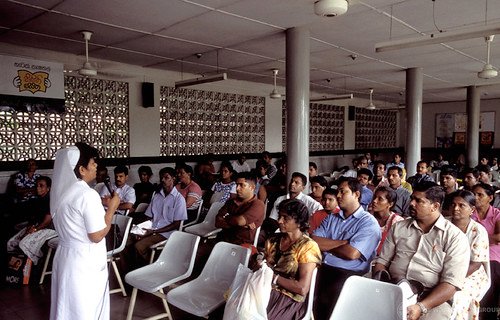
Another real world application involves workplace wellness programs. Companies that offer educational workshops on stress reduction, fitness, and chronic disease management often see reduced absenteeism and improved employee health. These programs help individuals understand the connection between daily habits and long term disease risk while creating a culture of wellness.
Schools have also become key players in chronic disease prevention. Lessons on health science, physical activity, and mental wellbeing give students foundational knowledge that influences their habits well into adulthood. When combined with supportive environments, such as access to nutritious meals and opportunities for exercise, these educational efforts have shown measurable success in reducing obesity rates and improving overall student health.
These examples illustrate that education can shape healthier communities when delivered in practical, relatable, and accessible formats.
Conclusion
Education plays a critical role in preventing chronic diseases by empowering individuals with knowledge, shaping lifestyle choices, and supporting early intervention. While challenges remain, particularly around access and misinformation, the impact of education is clear. When communities, schools, healthcare providers, and policymakers work together to improve health literacy, the result is a stronger and healthier population. As the conversation around chronic disease prevention evolves, embracing the power of education will remain essential. For personalized preventive care and guidance, contact CNPprimarycare.com.
Q and A Section
How does education help prevent chronic diseases?
Education improves health literacy, which helps individuals recognize risk factors, make informed lifestyle choices, and seek medical care early. The CDC provides helpful resources at www.cdc.gov/healthliteracy.
Are educational programs effective in reducing chronic disease rates?
Yes. Programs in schools, workplaces, and communities have led to measurable improvements in diet, physical activity, and early detection of health risks.
What is the biggest challenge in using education to prevent chronic diseases?
Limited access to reliable information and health resources remains one of the biggest challenges. Some communities lack the infrastructure needed to support strong health education.
Where can I learn more about evidence based health information?
Trusted sources include the National Institutes of Health at www.nih.gov, the CDC, and your local healthcare providers.