

Introduction
High blood pressure, or hypertension, is often called the “silent killer” because it can quietly damage the heart, blood vessels, and kidneys long before symptoms appear. In Stamford and across the United States, millions live with this condition, unaware of its long-term consequences. Historically, treatment focused heavily on medications, but modern approaches increasingly emphasize preventive care, lifestyle changes, and patient education.
Recent studies highlight the growing importance of community-based interventions, telemedicine, and personalized care plans in improving outcomes. Debates continue around the optimal blood pressure targets, diet strategies, and the balance between medication and lifestyle interventions. Understanding these complexities is crucial for anyone seeking to manage or prevent hypertension effectively, revealing a multi-layered approach that blends science, daily habits, and medical guidance.
Unpacking the Layers of Hypertension
Managing high blood pressure involves several interconnected strategies:
- Medical Monitoring and Medication: Regular check-ups with primary care providers are essential for tracking blood pressure trends. Medications such as ACE inhibitors, beta-blockers, and diuretics remain foundational treatments (American Heart Association).
- Lifestyle Modifications: Dietary changes, including reduced sodium intake, increased fruits and vegetables, and moderation of processed foods, can significantly lower blood pressure. Physical activity, such as brisk walking or cycling, enhances cardiovascular health and helps maintain a healthy weight.
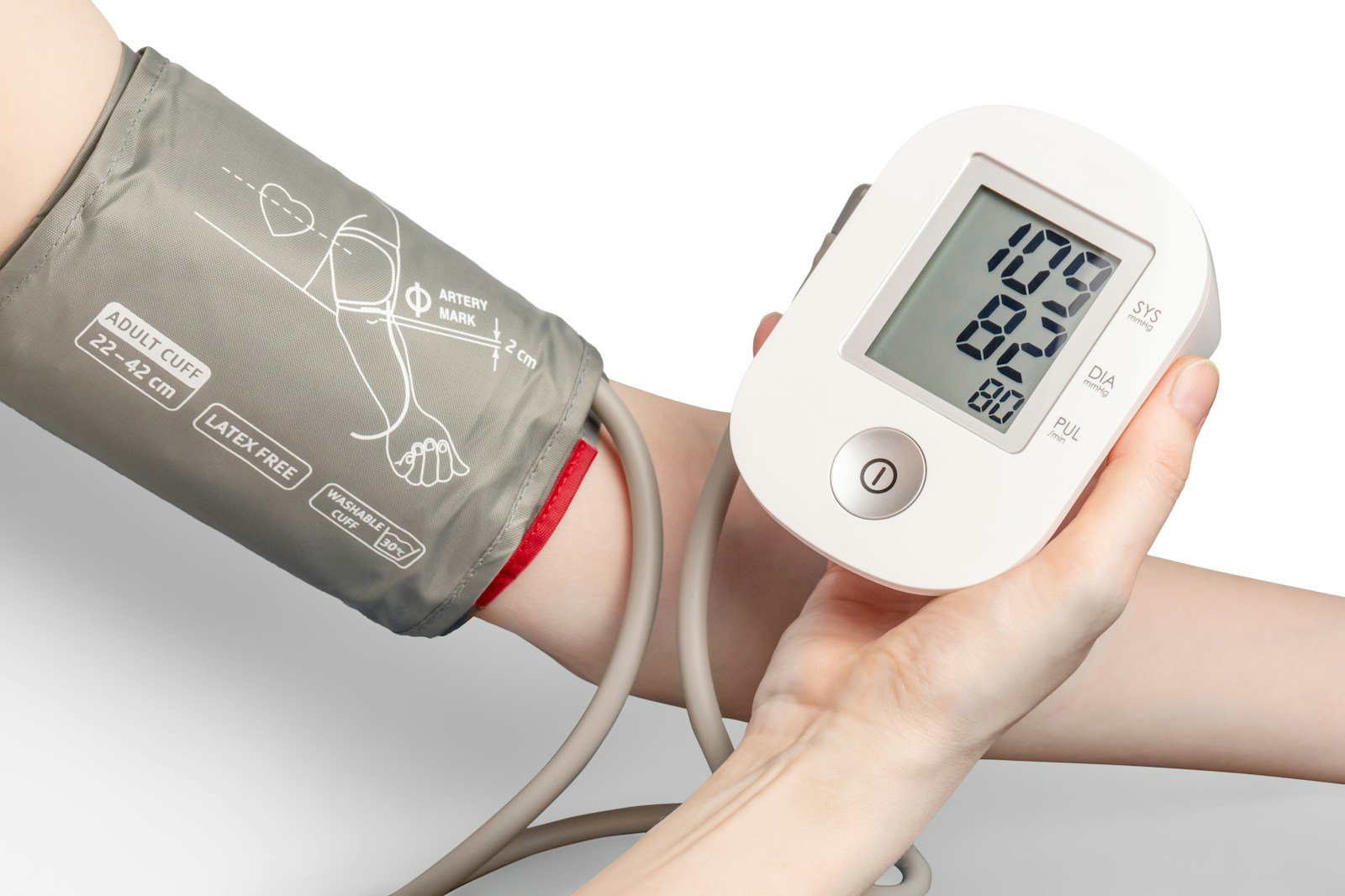
- Patient Education: Understanding risk factors, triggers, and daily management strategies empowers patients to take control of their health. Tools like home blood pressure monitors and digital health apps encourage consistent tracking and proactive care (Mayo Clinic).
Combining these approaches creates a holistic framework where prevention, early detection, and personalized care intersect to reduce complications and improve quality of life.
Navigating the Challenges and Debates
Despite advances, hypertension management presents several challenges:
- Medication Adherence: Patients may struggle with side effects or forget doses, which can compromise blood pressure control.
- Lifestyle Implementation: Busy schedules, access to healthy foods, and limited opportunities for exercise can make lifestyle changes difficult.
- Treatment Targets Debate: Experts debate optimal blood pressure targets, particularly for older adults or patients with comorbidities. Some argue for stricter control to reduce cardiovascular risk, while others emphasize minimizing medication-related side effects.
- Socioeconomic and Health Disparities: Access to care, education, and healthy living environments influences who benefits most from prevention strategies (NIH Hypertension Research).
Addressing these challenges requires a balanced, patient-centered approach, combining medical guidance, support systems, and ongoing education.
Real-world Echoes: Case Studies and Applications
A Stamford patient with stage 1 hypertension illustrates the benefits of a comprehensive approach. By partnering with their primary care provider, the patient implemented a low-sodium diet, incorporated daily walks, and monitored blood pressure at home. Within three months, blood pressure levels stabilized, and the patient experienced improved energy and reduced anxiety about heart health.
Community programs also show promise. Local wellness initiatives offering nutrition workshops, fitness classes, and educational seminars have helped residents lower blood pressure, particularly when combined with regular PCP consultations. These real-world examples underscore the effectiveness of integrated strategies, demonstrating that medical care, lifestyle adjustments, and education work best in tandem.
Conclusion
High blood pressure is a complex yet manageable condition when approached with personalized care, lifestyle modifications, and consistent medical oversight. Understanding the interplay of treatment options, preventive strategies, and patient education empowers Stamford residents to reduce cardiovascular risks and enhance overall wellness.
For those seeking guidance in managing hypertension, CNPprimarycare.com offers comprehensive services that combine medical expertise with wellness education, creating a roadmap for long-term health.
Q&A Section
What lifestyle changes help lower blood pressure?
Reducing sodium, eating a balanced diet rich in fruits and vegetables, exercising regularly, maintaining a healthy weight, limiting alcohol, and managing stress are all effective strategies.
How often should I check my blood pressure at home?
For most patients, checking once or twice daily at consistent times, and recording readings, helps track trends. Your PCP can provide personalized guidance.
Are medications always necessary?
Not always. Some individuals with mild hypertension can manage blood pressure through lifestyle changes alone. Many, however, benefit from a combination of medication and healthy habits.
Can high blood pressure be prevented?
Yes. Preventive measures include maintaining a healthy diet, staying active, limiting alcohol and tobacco use, and attending regular check-ups with a primary care provider.