


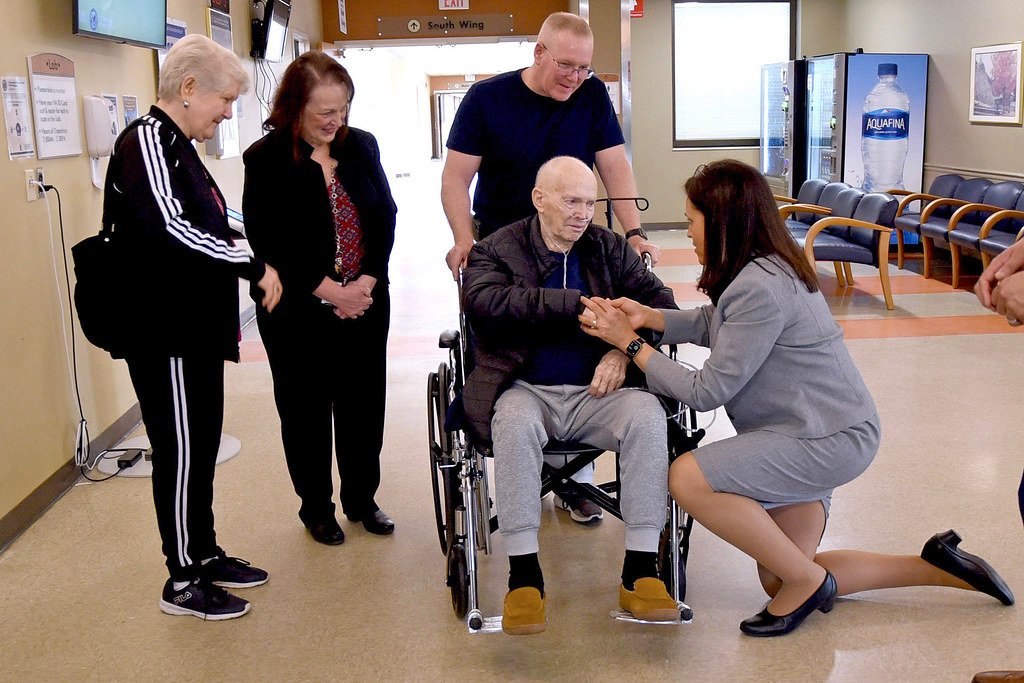
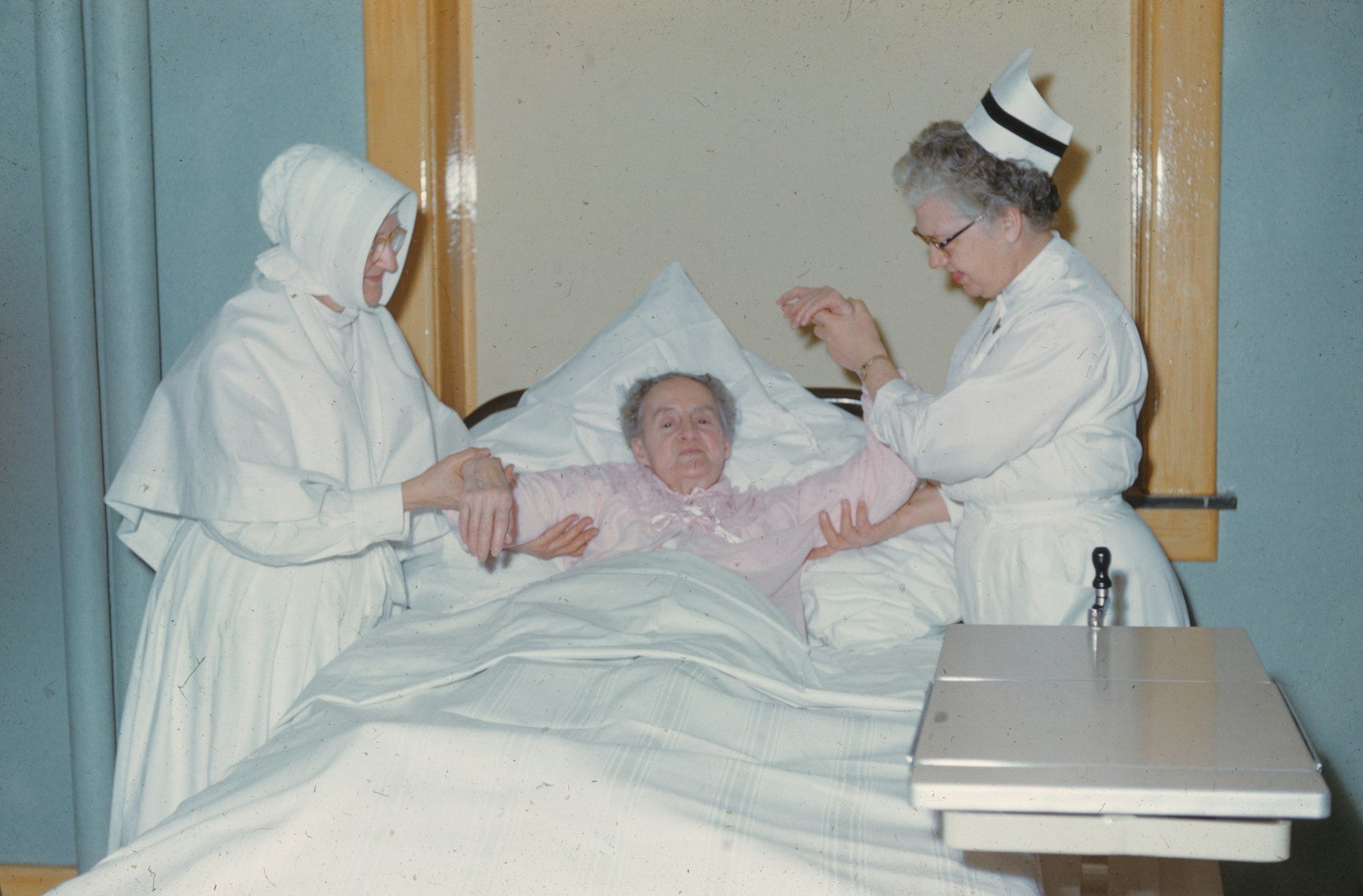
As populations grow older across the United States, the conversation around geriatric primary care has become more relevant than ever. Stamford Connecticut reflects this shift, with a rising number of residents over the age of sixty five and an increased emphasis on medical services tailored specifically to older adults. Historically, primary care focused mostly on treating acute illness. Today, however, it increasingly centers on prevention, chronic condition management, and supporting long term wellness. Recent studies highlight the importance of personalized care plans, coordination among healthcare providers, and attention to quality of life as older adults navigate changing physical and emotional needs.
This transformation has sparked lively debates about how to best support seniors while balancing the realities of healthcare systems, technology, and family caregiving. Although viewpoints may differ, most healthcare advocates agree that understanding geriatric primary care helps families plan confidently for the future and gives older adults the dignity and compassion they deserve.
Unpacking the Layers of Geriatric Primary Care in Stamford CT
Geriatric primary care is built on several interconnected elements that shape the daily health of older adults. The first layer involves comprehensive health evaluations, including routine screenings, vaccinations, mobility assessments, and medication reviews. Older adults often manage multiple health conditions at once, making proactive and coordinated care essential. Authoritative organizations like the National Institute on Aging https://www.nia.nih.gov offer accessible information on healthy aging and preventive strategies.
A second layer focuses on managing chronic conditions such as diabetes, heart disease, and arthritis. Stamford primary care providers frequently collaborate with local specialists to monitor symptoms and adjust treatment plans over time. This coordination helps reduce complications and decreases unnecessary hospital visits.
Another important aspect is supporting cognitive and emotional wellness. Aging can involve memory changes and increased vulnerability to social isolation, which has led many Stamford providers to integrate mental health support into routine appointments. The Centers for Disease Control and Prevention hosts resources on aging and mental well being that families may find helpful https://www.cdc.gov.
Finally, geriatric care emphasizes independence and daily function. Whether through physical therapy referrals or guidance on safe home environments, local clinicians aim to help seniors maintain autonomy and comfort for as long as possible. Together, these layers form a holistic approach designed to meet older adults where they are in life.
Navigating the Challenges and Debates
Despite meaningful progress, geriatric care faces several ongoing challenges. One of the most debated topics involves access. While Stamford has a strong healthcare network, the growing demand for geriatric specialists means wait times and provider shortages can still occur. Some experts argue for greater investment in geriatric training programs while others believe community based care expansions are more effective solutions.
Another sensitive issue concerns medication management. Older adults commonly take multiple prescriptions, which increases the risk of side effects or drug interactions. Some voices call for stricter oversight of prescribing patterns, while others emphasize individualized flexibility. Professional groups like the American Geriatrics Society continue studying best practices and offering updated recommendations.
Technology raises additional questions. Digital health tools help track appointments and monitor vital signs, yet not all seniors feel comfortable using online portals or telehealth platforms. Families often need to balance independence with support, which can be emotionally complex.
Finally, discussions on end of life planning and advanced directives remain deeply personal. Healthcare providers encourage early conversations, but families vary widely in their comfort levels. These debates matter because they shape how communities think about aging, dignity, and the future of healthcare systems as a whole.
Real world Echoes: Case Studies and Applications
A local example from Stamford illustrates the potential impact of coordinated geriatric care. A senior patient managing diabetes and mild heart failure began working closely with a primary care office that emphasized regular monitoring and lifestyle coaching. Through routine telehealth check ins, the care team tracked vital signs, reviewed dietary choices, and adjusted medications as needed. After several months, the patient reported more stable blood sugar levels, improved activity, and fewer emergency visits.
This case also revealed challenges, including the need for stronger digital literacy support. The practice responded by offering simple technology tutorials for patients and caregivers, as well as printed health instructions for those more comfortable with paper. Over time, the patient felt more confident and engaged in personal healthcare decisions.
Other Stamford practices have explored community partnerships that connect seniors with exercise programs, social activities, and home health resources. These projects highlight that successful geriatric care often extends outside clinic walls and depends on collaboration among families, clinicians, and local organizations. The results show promising improvements while reminding us that each older adult requires personalized attention, patience, and flexibility.
Conclusion
Geriatric primary care in Stamford CT reflects a growing national commitment to supporting older adults through thoughtful prevention, chronic disease management, emotional well being, and collaboration across care networks. From balancing medications to navigating technology, the experience of aging continues to evolve, shaped by demographic changes and scientific research. By approaching these topics with curiosity and compassion, families and healthcare professionals can promote healthier and more fulfilling aging journeys. To learn more about personalized geriatric services in Stamford, consider contacting CNPprimarycare.com for guidance and support tailored to your needs.
Questions and Answers
What makes geriatric primary care different from regular primary care?
Geriatric care focuses on the unique needs of older adults, including chronic disease management, mobility support, cognitive health, and preventive strategies. The National Institute on Aging offers helpful explanations of age related health needs at https://www.nia.nih.gov.
How can families support aging parents in Stamford?
Communication with healthcare providers, regular checkups, and reviewing medications together can make a significant difference. Stamford offers community resources and caregiver support groups that can help families stay informed and involved.
Are telehealth visits useful for seniors?
Telehealth can help monitor health between appointments and reduce travel stress, but comfort with technology varies. Many practices provide technical support to make virtual visits easier and more accessible.
Where can I learn more about healthy aging?
Reliable sources include the CDC’s aging resources https://www.cdc.gov and the American Geriatrics Society. Personalized help is also available by reaching out to CNPprimarycare.com for senior focused primary care services in Stamford.