

Introduction
As people live longer and remain active well into their retirement years, preventing falls has become a major focus of healthy aging. Falls used to be considered an inevitable part of getting older. Today, medical professionals emphasize prevention, safety planning, and strength building long before accidents happen. Stamford CT, like many communities with growing senior populations, continues to highlight strategies that support independence at home and in the community.
At the same time, fall prevention raises thoughtful conversations. How much support is helpful, and how much feels limiting. Should families modify the home environment or encourage independence as much as possible. Exploring these questions helps older adults, caregivers, and families build safety practices that feel empowering rather than restrictive.
Unpacking the layers of fall prevention
Fall prevention involves strengthening the body, modifying the environment, and planning ahead for everyday activities. A helpful first step includes understanding risk factors such as reduced balance, muscle changes, or medications that cause dizziness. The Centers for Disease Control and Prevention shares fall related facts and safety information for older adults (https://www.cdc.gov).
Staying physically active helps maintain coordination, flexibility, and strength. Walking, stretching, or light exercises recommended by healthcare providers can support balance. Proper footwear also makes a difference. Shoes with supportive soles help prevent slips when moving around the house or outdoors.
Many homes benefit from small adjustments. Removing throw rugs, securing electrical cords, and adding grab bars near bathrooms or stairs are simple steps that support daily independence. Good lighting helps older adults move confidently, especially at night or during weather changes. The National Institutes of Health offers general resources related to healthy aging (https://www.nih.gov).
Medication conversations also matter. Some prescriptions may affect balance. Primary care teams help review medications to reduce dizziness or low blood pressure that might increase fall risk.
Navigating the challenges and debates
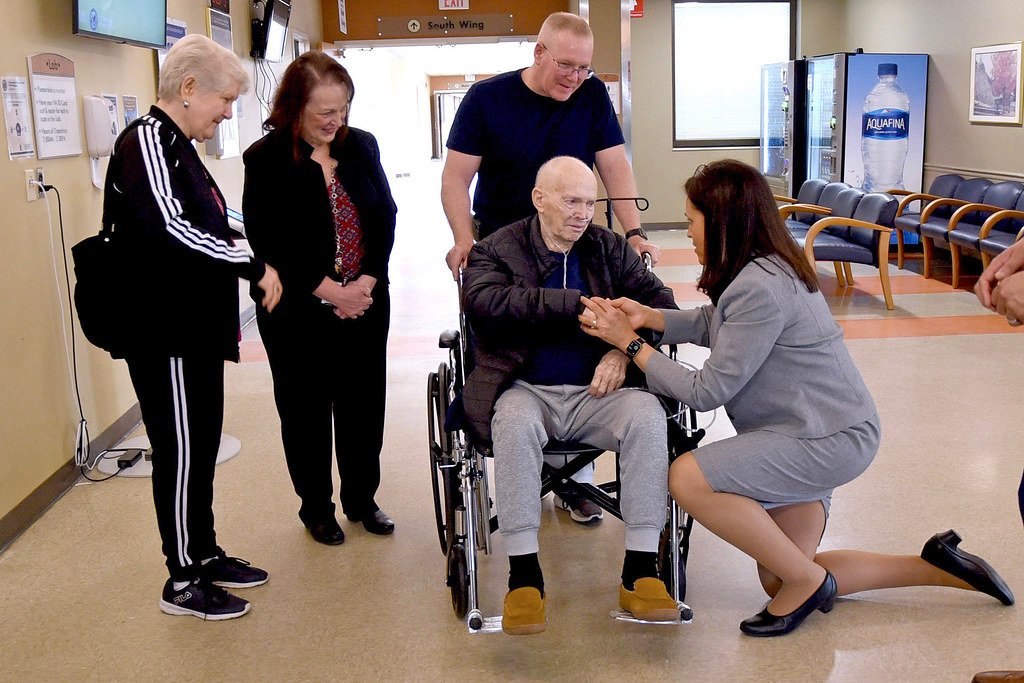
Fall prevention brings challenges as people balance independence with safety. One debate involves mobility aids such as canes or walkers. Some older adults resist using these tools because they worry about appearing frail. Healthcare providers encourage viewing them as stability supports that protect long term independence rather than signs of weakness.
Another conversation centers on the home environment. Families may encourage older relatives to move heavy furniture, install handrails, or use assistive devices, while older adults sometimes prefer familiar arrangements. Collaborative decision making helps ensure safety while respecting personal comfort and identity.
Weather in Stamford introduces seasonal challenges. Icy sidewalks or wet leaves can create outdoor hazards. Some people choose indoor walking routines during colder months to maintain activity levels.
Communication also plays a role. Talking openly about balance changes, dizziness, or near falls helps providers adjust plans and recommend safety measures. The Agency for Healthcare Research and Quality provides insights into patient safety within aging populations (https://www.ahrq.gov).
Real world echoes: case studies and applications
Imagine a Stamford resident who notices unsteadiness while getting out of bed in the morning. During a primary care visit, the provider reviews medications and suggests stretching routines that improve balance over time. These small steps help reduce wobbliness and build confidence.
Another fictional example involves a couple living in a home with older carpeting and loose rugs. After discussing fall risks during a wellness visit, they decide to replace loose rugs with nonslip mats. The change makes walking safer without major renovation.
A grandparent who enjoys winter walks may decide to use indoor mall walking when sidewalks become slippery. A provider recommends dressing layers for comfort and choosing shoes with strong treads for outdoor conditions.
Telehealth appointments can also support fall prevention. Quick conversations about dizziness or medication changes help providers adjust plans promptly and prevent accidents before they occur.
Conclusion
Fall prevention supports strength, independence, and confidence for older adults. Instead of focusing only on what to avoid, thoughtful strategies encourage active lifestyles with realistic safety measures. Discussions about home environments, exercise, and medication schedules help older adults and families make informed decisions that support long term wellbeing. Although challenges and debates continue, proactive planning remains essential. Stamford seniors and caregivers are encouraged to explore safety strategies, ask questions, and communicate with trusted providers. To learn more or schedule a consultation, consider contacting CNPprimarycare.com.
Q and A
What increases fall risk in older adults
Changes in balance, medications, and home hazards can increase risk. The CDC provides fall safety information for older adults (https://www.cdc.gov).
Are mobility aids helpful
Yes. Devices such as canes and walkers support stability and independence. Providers help choose the most appropriate option.
What home changes help prevent falls
Improved lighting, nonslip rugs, grab bars, and clear walking paths all support safer movement at home. The National Institutes of Health shares resources about healthy aging (https://www.nih.gov).
Where can Stamford families learn more
Primary care providers, community aging programs, and wellness services offer fall prevention guidance. To explore services or schedule a visit, you can contact CNPprimarycare.com.