



In today’s fast-paced world, maintaining optimal health is more critical than ever. Adults face a myriad of health risks—from heart disease and diabetes to cancer and hypertension—that often develop silently before symptoms appear. Historically, preventive care was sporadic, with many adults only visiting doctors when illness became unavoidable. Advances in medical research and technology have shifted this paradigm, emphasizing the importance of routine health screenings to catch conditions early, improve treatment outcomes, and extend quality of life. For Stamford residents, understanding which screenings are essential and when to schedule them is a cornerstone of proactive healthcare. Yet, navigating the array of available tests, insurance requirements, and evolving guidelines can feel overwhelming, making informed decisions both crucial and complex.
Unpacking the Layers of Essential Health Screenings
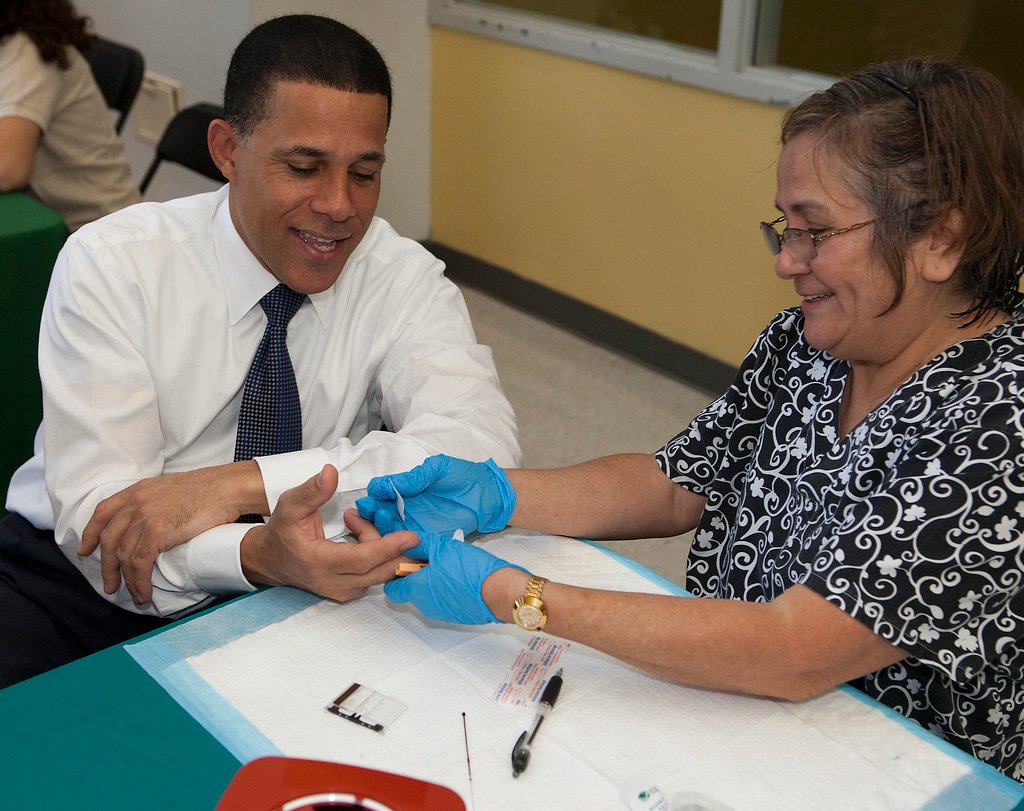
Health screenings serve as an early-warning system for potentially serious conditions. Common adult screenings include blood pressure checks, cholesterol testing, diabetes monitoring, and cancer screenings such as mammograms, colonoscopies, and Pap smears (CDC Guidelines). These tests provide critical insights into an individual’s risk profile, guiding lifestyle adjustments, preventive interventions, and medical treatments.
Age, family history, and lifestyle factors heavily influence which screenings are necessary. For instance, adults over 50 may require more frequent colon cancer screenings, while women with a family history of breast cancer might start mammograms earlier. In addition to physical tests, mental health assessments, vision and hearing evaluations, and vaccination reviews are increasingly recognized as essential components of comprehensive adult care.
Routine screenings not only help detect diseases early but also empower patients to engage actively in their health. By understanding trends in personal metrics—such as blood sugar or cholesterol levels—patients and providers can tailor preventive strategies to individual needs (Mayo Clinic).
Navigating the Challenges and Debates
Despite the clear benefits, adult health screenings come with challenges and debates. One major issue is over-screening, where tests are performed more frequently than guidelines recommend, potentially leading to unnecessary anxiety, follow-up procedures, or medical costs. Conversely, under-screening remains prevalent among populations with limited access to care, insurance barriers, or a lack of awareness, particularly in marginalized communities.
Insurance coverage and cost-effectiveness also spark debate. While many preventive screenings are covered, out-of-pocket costs for certain tests or specialized procedures can deter adults from scheduling regular checkups. Additionally, rapidly evolving guidelines—such as changing recommendations for prostate or breast cancer screenings—can confuse both patients and providers, requiring careful discussion to balance risk and benefit (USPSTF Recommendations).
Patient compliance presents another challenge. Even when screenings are recommended and accessible, adherence is influenced by factors like perceived necessity, fear of results, or logistical hurdles such as scheduling and transportation. Addressing these challenges requires coordinated education, patient-centered communication, and supportive healthcare infrastructure.
Real-world Echoes: Case Studies and Applications
Consider a Stamford resident, age 55, with a family history of heart disease. By adhering to annual blood pressure and cholesterol screenings, the patient’s elevated readings were identified early. With guidance from a primary care physician, lifestyle adjustments and medication management reduced the risk of heart attack. This case highlights the tangible impact of timely preventive care.
Another example involves colorectal cancer screening. Adults over 50 who underwent routine colonoscopies had precancerous polyps detected and removed, preventing the progression to cancer. For women, early mammograms identified tumors when treatment was most effective. These stories reflect how structured screening programs save lives, reduce long-term healthcare costs, and improve quality of life.
Moreover, telehealth services now complement traditional screenings, offering virtual consultations to discuss results, schedule tests, and follow up on preventive care. This integration enhances accessibility, especially for residents with mobility challenges or tight schedules, demonstrating the evolving landscape of adult preventive care.
Conclusion
Routine health screenings are a cornerstone of adult preventive care, offering early detection, personalized risk assessment, and the potential to save lives. While challenges such as over-screening, cost barriers, and patient compliance remain, informed decision-making and proactive engagement can mitigate these issues. Stamford residents benefit from understanding which screenings are appropriate for their age, health history, and lifestyle. Embracing regular preventive care not only safeguards health today but ensures long-term well-being. Contact CNPprimarycare.com to schedule essential screenings and take charge of your health with expert guidance and personalized care.
Q&A Section
What are the most important screenings for adults?
Key screenings include blood pressure, cholesterol, diabetes, cancer (colon, breast, cervical, prostate), and vaccination status. Individual needs vary based on age, gender, and health history.
How often should adults get screened?
Frequency depends on the specific test, age, and risk factors. Annual checkups typically cover blood pressure and routine blood work, while cancer screenings follow evidence-based schedules (CDC Recommendations).
Are screenings covered by insurance?
Many preventive screenings are covered under most insurance plans, though some specialized tests may require co-pays. Always check with your provider or insurer to confirm coverage.
Can telehealth support preventive care?
Yes. Telehealth allows patients to discuss risk factors, review lab results, and schedule in-person screenings, making preventive care more accessible and convenient.
For Stamford residents seeking guidance on essential health screenings, contact CNPprimarycare.com to book appointments and stay proactive about your health.