



In a world where weight loss trends shift almost as quickly as the seasons, wellness education has emerged as a steady and grounding force. From calorie counting fads in the 1980s to the rise of digital fitness platforms today, the conversation around weight management continues to evolve. Yet one theme grows stronger each year. Sustainable weight loss is far more than short term diets or workout bursts. It is a long term lifestyle that requires knowledge, skill building, and support. Wellness education bridges the gap between what people want to achieve and what they can maintain in daily life. With rising concerns about chronic disease, nutrition literacy, and emotional well being, understanding the role of wellness education has never been more important. It offers a deeper look at long term change, highlighting both the promise and the complexities that shape modern health journeys.
Unpacking the Layers of The Role of Wellness Education in Long Term Weight Loss
Wellness education covers a wide range of topics that influence daily decisions, from nutrition and physical activity to stress management and sleep hygiene. It helps individuals understand how their bodies work and why certain habits matter. Research suggests that people who participate in structured wellness education programs tend to lose more weight and maintain those results longer compared with those who rely solely on short term diets. The Centers for Disease Control and Prevention provides insight into lifestyle based weight management at https://www.cdc.gov/healthyweight.
An important dimension of wellness education is its ability to connect knowledge with action. Learning about balanced meals, portion sizes, or the role of stress hormones does not simply inform. It equips people to make realistic and sustainable choices. The National Institutes of Health emphasizes that lasting weight loss requires a combination of nutrition knowledge, behavioral strategies, and consistent practice. More information is available at https://www.niddk.nih.gov.
Wellness education also encourages a holistic understanding of health. Instead of focusing solely on the number on the scale, it highlights energy levels, sleep quality, emotional well being, and long term disease prevention. This perspective helps individuals shift from short lived motivation to genuine lifestyle transformation. It acknowledges the social, psychological, and environmental factors that influence weight and health.
Navigating the Challenges and Debates
Despite its importance, wellness education faces a series of challenges that spark thoughtful debate. One of the most significant issues is access. Not all communities have equal opportunities to participate in nutrition classes, health coaching, or fitness education. Schools and workplaces often vary in the resources they provide, creating gaps in health literacy.
Another challenge involves the overwhelming amount of conflicting information available online. With influencers, marketers, and content creators promoting trends, distinguishing credible guidance from misinformation becomes difficult. This raises concerns about how people interpret wellness advice and whether they can separate evidence based strategies from popular but ineffective ones. Experts warn that misinformation can slow progress, reduce motivation, and create confusion.
Ethical debates also arise around how wellness education is delivered. Some programs unintentionally place too much emphasis on weight rather than overall health, which can reinforce negative body image or create unnecessary pressure. Professionals argue that wellness education must balance encouragement with compassion, and must avoid framing weight loss as a moral or personal failure.
Additionally, cultural and socioeconomic factors influence how people engage with health information. A strategy that works well in one community may not translate effectively to another. This highlights the need for personalized and culturally sensitive approaches.
These debates shape a larger conversation about how society can better support long term health. They also reinforce the importance of delivering wellness education that is accessible, inclusive, and rooted in scientific research.
Real World Echoes: Case Studies and Applications
One real world example comes from a workplace wellness program implemented by a midsized company. Employees were offered weekly nutrition workshops, stress management training, and digital fitness tools. One participant, Maria, had struggled with fluctuating weight for years. She often tried restrictive diets but found them difficult to maintain. Through the program, she learned practical skills such as meal planning, mindful eating, and how to read food labels. Instead of focusing only on weight, she began tracking energy levels, sleep quality, and stress patterns. Over twelve months, Maria lost weight steadily and reported feeling more confident and healthier overall.
This example demonstrates how wellness education can transform habits rather than impose strict rules. It also highlights the importance of consistency and support. Another application appears in community health centers, where group classes teach families how to prepare affordable, balanced meals and engage in physical activity. These programs often help reduce obesity rates and improve community health.
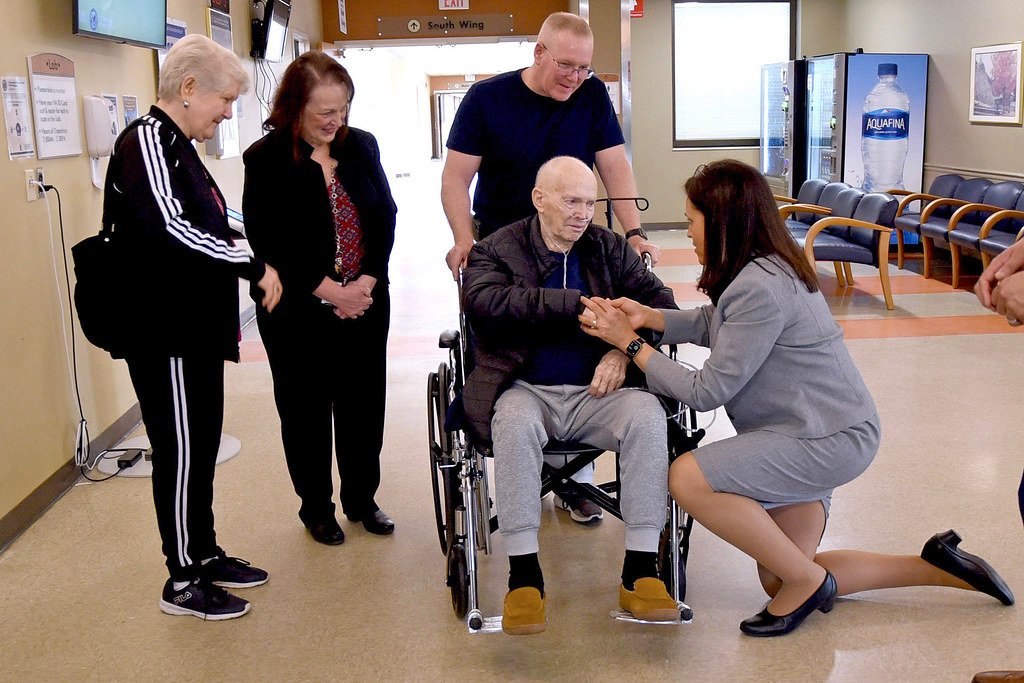
In clinical settings, healthcare providers are increasingly incorporating wellness education into medical weight loss programs. Patients receive guidance on nutrition, behavior coaching, and emotional health. Studies show that these integrated programs lead to better outcomes compared with medical treatments alone.
These real world stories reveal the power of education to create long term change. They also illustrate opportunities for innovation, such as digital learning tools, telehealth coaching, and personalized wellness plans that adapt to individual lifestyles.
Conclusion
Wellness education plays a central role in long term weight loss by bridging the gap between knowledge and daily action. This article explored its depth, challenges, and real world applications, showing how education supports healthier habits, emotional resilience, and sustainable progress. As the conversation around weight and wellness continues to evolve, embracing education becomes essential for lasting success. Readers are encouraged to keep learning, explore credible resources, and approach their health with curiosity and compassion. For personalized support or structured wellness guidance, contact CNPprimarycare.com for services.
Q and A Section
1. Why is wellness education important for long term weight loss?
Wellness education equips individuals with the skills needed to make consistent lifestyle changes. It provides practical knowledge about nutrition, physical activity, stress, and sleep. These elements help people maintain weight loss over time rather than relying on short term diets.
2. How can someone identify credible wellness information?
Credible sources include government health websites, registered dietitians, licensed healthcare providers, and peer reviewed research. Reputable organizations such as the Centers for Disease Control and Prevention, the National Institutes of Health, and the Academy of Nutrition and Dietetics offer reliable guidance. Start with https://www.cdc.gov or https://www.nutrition.gov.
3. Does wellness education replace medical treatment?
No. Wellness education complements medical care. While it provides important tools for daily habits, individuals with chronic conditions or metabolic challenges may still need clinical support or medications. Combining wellness education with medical guidance often leads to better outcomes.
4. How can communities improve access to wellness education?
Communities can expand access by offering free or low cost classes, integrating wellness programs into schools, and providing culturally sensitive materials. Digital tools such as online workshops and telehealth coaching also help reach individuals with limited local resources.