


Introduction
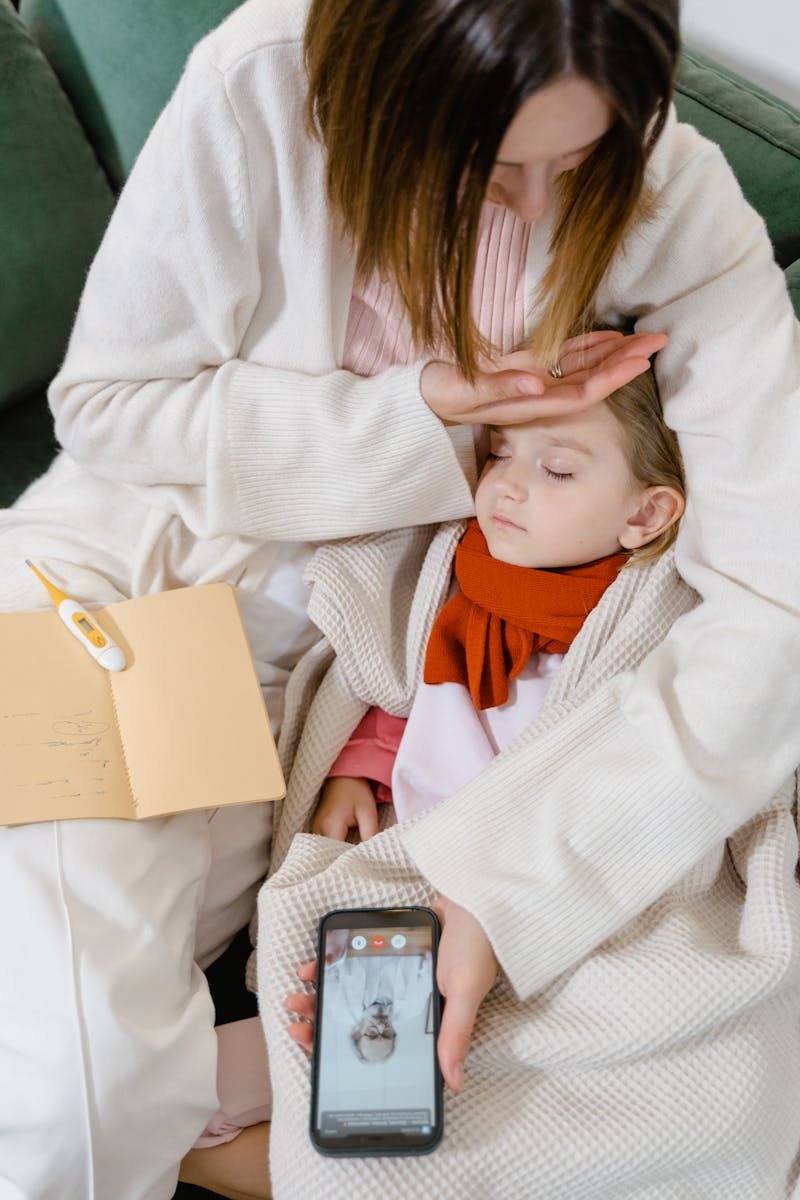
Only a few years ago, a child’s healthcare visit almost always required a trip to a doctor’s office. Today, virtual care has become an important part of pediatric medicine. Telehealth grew rapidly during the pandemic and has stayed because many families discovered that virtual appointments can be convenient, reassuring, and surprisingly effective. For Stamford families balancing school, work, and activities, being able to connect with a provider from home can feel like a major relief.
Still, pediatric telehealth raises thoughtful questions. When is virtual care appropriate for children. Which symptoms require an in person exam. And how do families know whether digital healthcare is safe. These questions continue to shape modern pediatric care as providers and families learn how best to support children’s physical and emotional health through technology.
Unpacking the layers of telehealth for kids
Telehealth allows families to communicate with healthcare providers through video visits, secure messaging, or phone calls. This virtual approach can support preventive care, follow up visits, and routine concerns without requiring travel. For example, conversations about nutrition, sleep, school readiness, and mild symptoms can often be handled virtually. The Centers for Disease Control and Prevention provides general information related to child health and preventive care (https://www.cdc.gov).
Virtual visits also allow providers to observe a child in their natural environment. This can be helpful when discussing behavior, emotional challenges, screen time habits, or daily routines. Sometimes providers ask to see the room where a child sleeps or study spaces that may affect learning or sleep.
Telehealth is often safe and effective for mild respiratory symptoms, skin questions, or medication follow ups. Sometimes providers ask parents to share clear photos or describe symptoms in detail. The National Institutes of Health offers accessible health information for families making care decisions (https://www.nih.gov).
Telehealth is not meant to replace all in person visits. Instead, it gives families an additional option for timely, supportive care that fits busy schedules.
Navigating the challenges and debates
Telehealth brings important conversations about access and safety. One debate concerns whether all families have reliable internet service or devices suitable for virtual visits. Stamford continues to improve technology access, but disparities remain for some households.
Another conversation focuses on quality of care. Some families wonder whether a provider can truly evaluate symptoms through a screen. Pediatric clinicians rely on detailed questions, parent observations, and sometimes photos or follow ups. They determine when an in person visit is necessary and help families understand the difference. The Agency for Healthcare Research and Quality shares information regarding patient safety and quality of care, including telehealth services (https://www.ahrq.gov).
Privacy is another consideration. Telehealth platforms use secure systems, but families may still feel cautious about discussing sensitive topics online. Providers encourage private settings and reassure families about secure communication.
There is also an ongoing conversation about mental health care through telehealth. Many families appreciate convenient access to emotional support, while others prefer in person relationships. Providers help families decide what approach feels comfortable and effective.
Real world echoes: case studies and applications
Imagine a Stamford parent whose child wakes up coughing and feeling tired, but without a high fever. Instead of rushing to the clinic, they schedule a virtual visit. The provider reviews symptoms, suggests hydration and rest, and explains when to seek in person care if symptoms change.
Another fictional example involves a middle school student adjusting to new school stress. A virtual conversation with a provider offers strategies for managing anxiety and maintaining healthy routines. The student feels supported without missing school.
Telehealth can help families who need quick medication follow ups. Instead of taking time off work or school, a short virtual visit helps providers review progress and plan next steps.
For some children, telehealth builds confidence. A shy child nervous about doctor visits may feel more comfortable speaking from home. Over time, virtual check ins make in person visits easier and reduce anxiety.
Conclusion
Telehealth has become a meaningful part of pediatric care, offering safe and effective support for many everyday concerns. Rather than replacing in person visits, virtual care provides families with another option to ask questions, receive guidance, and monitor wellbeing. Ongoing discussions about safety, quality, and access remind us that telehealth continues to evolve. Stamford families are encouraged to explore virtual options, communicate openly with providers, and choose the type of visit that best supports their child’s needs. To learn more about pediatric telehealth services or schedule a visit, consider contacting CNPprimarycare.com.
Q and A
When is telehealth appropriate for children
Telehealth can help with mild symptoms, follow ups, behavior concerns, and preventive conversations. It is not a replacement for emergencies or serious illness. The CDC offers general child health information (https://www.cdc.gov).
How do I know when my child needs an in person visit
If symptoms are severe, persistent, or involve breathing difficulties or injury, in person care is often recommended. Providers guide families based on symptoms and age.
Is telehealth safe
Yes. Telehealth uses secure platforms and follows medical privacy rules. Providers also help parents understand when in person care is necessary. The National Institutes of Health provides accessible information on child health (https://www.nih.gov).
Where can Stamford families learn more
Primary care practices, pediatric providers, and community programs offer telehealth guidance. To schedule an appointment or explore services, you can contact CNPprimarycare.com.