
Introduction
As each new school year approaches, families across Stamford CT prepare backpacks, schedules, and extracurricular plans. Yet the transition back to school is not only about supplies. It is also a moment to focus on health and wellbeing. Historically, school health conversations centered mostly on vaccinations and physical exams. Today, they include emotional wellness, sleep, nutrition, digital habits, and social readiness. Whether a student is entering kindergarten or returning to high school, back to school planning brings meaningful conversations about development, safety, and preventive care.
At the same time, this topic includes ongoing debates. How much screen time is healthy for learning. When are mental health conversations necessary. What role should primary care providers play in supporting students beyond physical health. Exploring these questions helps families in Stamford feel informed rather than overwhelmed and encourages thoughtful preparation for a strong start to the school year.
Unpacking the layers of a back to school health checklist
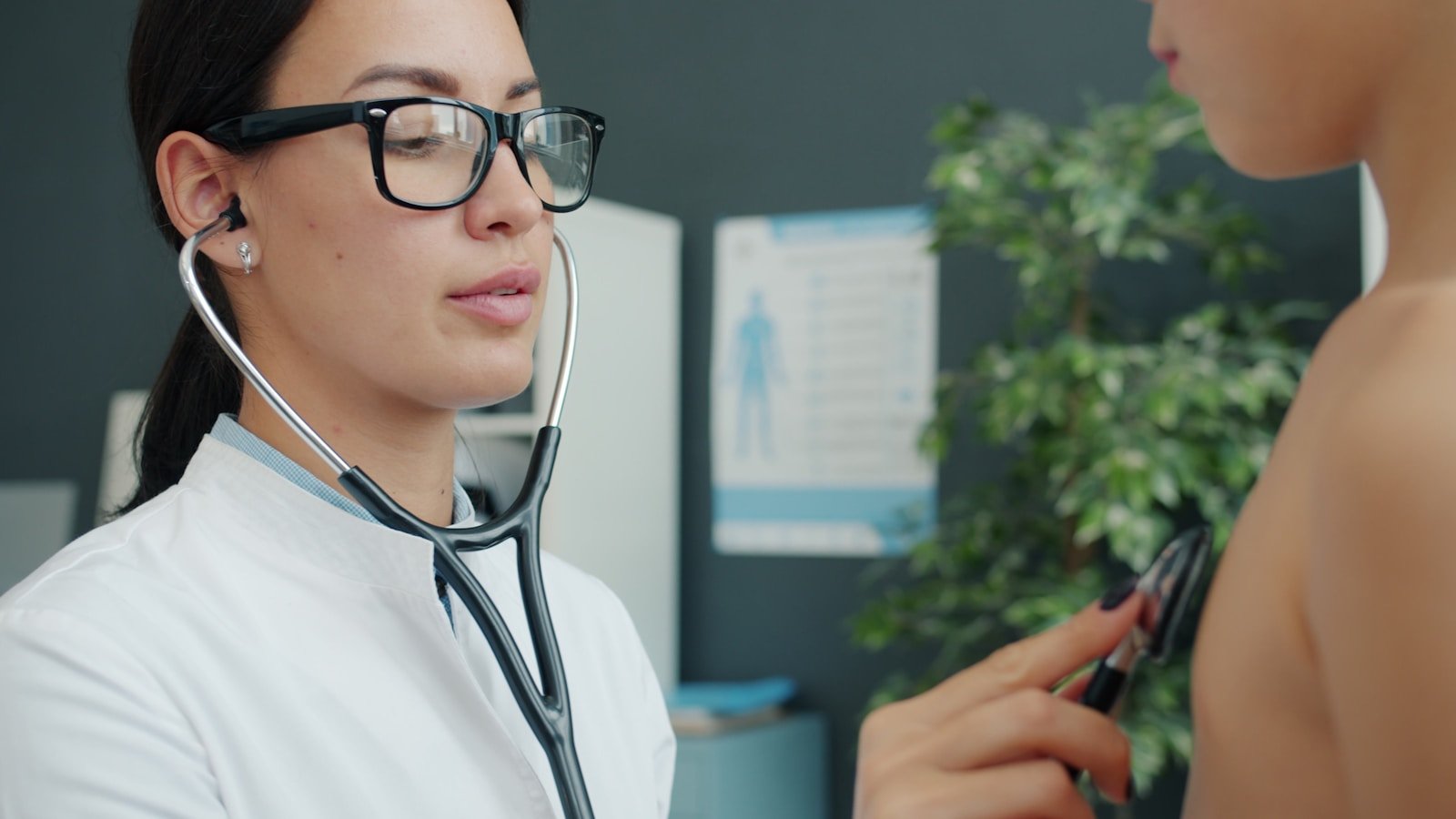
A back to school health checklist includes both physical and emotional considerations that support student success. Many families begin with routine wellness exams. These visits allow clinicians to check growth, review vaccinations, and talk about nutrition, sleep, and physical activity. The Centers for Disease Control and Prevention provides information about childhood immunizations and preventive care that can be reviewed before school begins (https://www.cdc.gov).
Vision and hearing screenings are also important. Even minor challenges can affect classroom learning or confidence. Providers may ask about reading comfort, eye strain, or listening challenges during activities.
Nutrition and sleep play major roles in school performance. Families in Stamford often discuss healthy snacks, hydration, and consistent bedtime routines. The National Institutes of Health shares tips related to child health and nutrition, which some providers review with families during wellness visits (https://www.nih.gov).
Another layer involves mental, emotional, and social readiness. Students benefit from conversations about friendships, school expectations, and coping with transitions. Primary care providers can offer supportive guidance for children who feel nervous about returning to school or adjusting to a new environment.
Navigating the challenges and debates
Back to school health preparations highlight several important topics in modern pediatric care. One debate involves digital learning and screen use. While tablets and laptops support learning, many families worry about too much screen time. Healthcare professionals encourage balance and regular breaks to reduce eye strain and support healthy sleep habits.
Another issue concerns mental health. Increasing awareness of stress, anxiety, and social pressures has encouraged more families to seek guidance early. Some wonder how much support is appropriate, while others worry about waiting too long. Pediatric and primary care providers help families talk about emotional wellbeing without labeling normal childhood concerns as medical problems. Research from the Agency for Healthcare Research and Quality explores quality of care and patient safety within pediatric health services (https://www.ahrq.gov).
Vaccination discussions are also part of back to school planning. Requirements differ depending on grade level, and families sometimes have questions about timing and safety. Providers explain recommended schedules and answer questions respectfully, helping families make informed decisions.
Finally, access to care can influence readiness. Busy schedules, transportation issues, and insurance concerns sometimes delay routine visits. Telehealth appointments allow quick questions, helping families stay up to date without missing school or work.
Real world echoes: case studies and applications
Imagine a Stamford student entering middle school who struggles with sleep during the first weeks of the year. A primary care visit reveals that late screen use and irregular routines are affecting bedtime. The provider suggests earlier device shut offs and a relaxing evening routine. Within a few weeks, sleep patterns improve, helping the student feel more alert at school.
Another fictional example involves an elementary student who frequently squints while reading. A vision screening during a wellness visit suggests the need for glasses. Once corrected, reading confidence grows and classroom participation increases.
High school athletes may visit primary care to review sports safety, hydration, and injury prevention before tryouts. Providers help students understand safe conditioning, recovery habits, and what symptoms to report to coaches or families.
Telehealth check ins can support emotional readiness as well. A student feeling nervous about transitioning to a new school can talk with a provider who offers coping ideas and reassurance. These examples show that health readiness supports academic success and confidence throughout the school year.
Conclusion
Back to school planning in Stamford CT is an ideal time to support student wellbeing. From wellness exams and screenings to healthy routines and emotional readiness, this annual transition encourages families to focus on whole person health. Debates about digital habits, mental health, and preventive care remind us that school readiness extends beyond supplies. By combining guidance from trusted primary care providers with family routines, students enter the school year feeling prepared rather than overwhelmed. To schedule a wellness visit or learn about pediatric services in Stamford, consider contacting CNPprimarycare.com.
Q and A
What should be included in a back to school health checklist
Wellness exams, vision checks, immunization updates, nutrition plans, sleep routines, and conversations about emotional wellbeing can all support a healthy start. The CDC provides information about immunizations and preventive care (https://www.cdc.gov).
Does mental health matter for school readiness
Yes. Emotional and social wellbeing influence learning, confidence, and behavior. Primary care providers can offer supportive guidance and resources when needed.
Should every student have a wellness exam before school starts
Regular wellness exams help track growth and update preventive care. The National Institutes of Health offers general child health information (https://www.nih.gov).
Where can Stamford families learn more
Primary care practices, pediatric providers, and community health programs offer school health guidance. To schedule a visit or request support, you can contact CNPprimarycare.com.