

Introduction
Parents today navigate a world filled with rapid medical discoveries, online health tips, and plenty of unsolicited advice about raising healthy children. In earlier generations, pediatric visits mainly focused on treating illness. Today, wellness exams are central to preventive health, tracking development, and supporting emotional and mental wellbeing throughout childhood and adolescence. Stamford CT families are part of a growing movement that recognizes that children’s health is more than simply avoiding sickness. It includes building healthy habits, monitoring growth, and providing space for questions at every stage of development.
Still, modern pediatric care prompts important conversations. How often should children really be seen. How does age influence visit frequency, and when do developmental milestones signal the need for more guidance. By exploring these complexities, parents gain confidence about scheduling wellness care that supports long term wellbeing rather than reacting only when a child becomes sick.
Unpacking the layers of pediatric wellness exams
Pediatric wellness exams are routine checkups that assess a child’s physical, developmental, social, and emotional progress. These visits usually begin within the first few days of life and continue regularly through infancy, childhood, and teenage years. The Centers for Disease Control and Prevention offers general guidelines about child development, growth charts, and preventive screenings that can be reviewed during wellness appointments (https://www.cdc.gov).
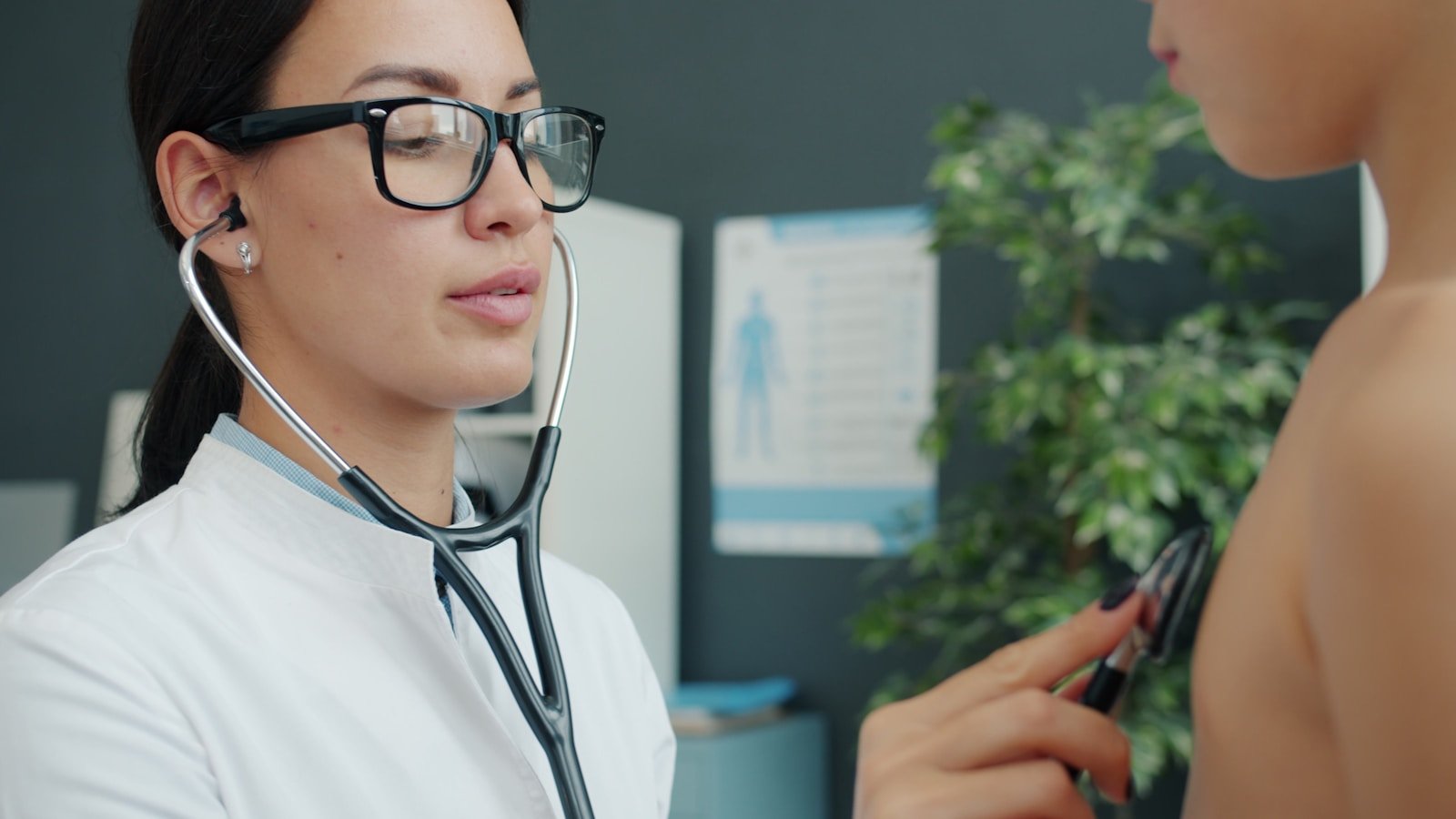
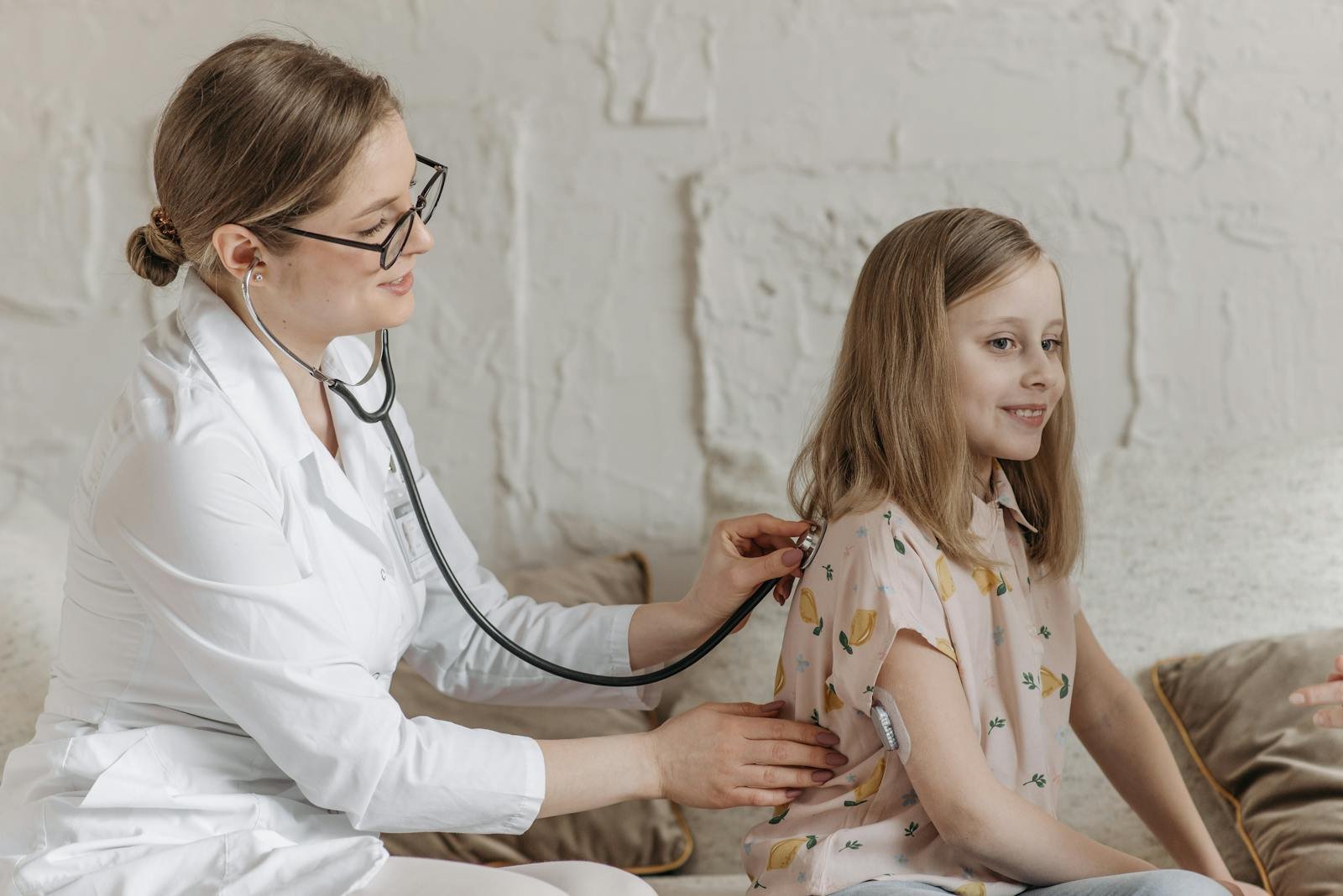
During an exam, clinicians measure height, weight, and blood pressure, and review nutrition, sleep habits, school routines, and safety topics. Many wellness appointments include vision and hearing screenings, especially after entering preschool or elementary school. Pediatricians also evaluate emotional and behavioral development, which becomes increasingly important as children transition into adolescence.
Vaccination schedules are reviewed and updated during wellness visits. The National Institutes of Health provides helpful information about immunizations and child development (https://www.nih.gov). Alongside medical care, pediatricians discuss healthy lifestyle habits, digital screen use, sports participation, and social wellbeing. These conversations help families build a foundation for lifelong healthy choices.
Navigating the challenges and debates
Deciding how often a child should be seen raises ongoing debates. Most pediatric experts recommend frequent visits in the first two years of life due to rapid growth and developmental change. However, some families worry that too many visits may feel overwhelming or costly. Healthcare organizations continue to advocate for accessible preventive services that reduce medical complications later in life.
Another discussion concerns developmental milestones. Families may feel anxious when children develop at different paces. Pediatricians encourage open conversations and reassure families that development varies widely. They monitor progress and may suggest early interventions only when needed. The Agency for Healthcare Research and Quality examines issues related to child health, preventive services, and access to care (https://www.ahrq.gov).
Online information adds complexity as well. Parents often search symptoms or milestones online and encounter conflicting advice. Pediatric wellness visits allow families to ask questions based on evidence rather than speculation. Pediatricians also help families evaluate internet information and make decisions grounded in medical science, not viral trends.
Finally, mental health is an evolving conversation in pediatric care. Many pediatric visits now include questions about mood, behavior, friendships, and school stress. This holistic approach supports healthy development during pivotal stages such as early school years and adolescence.
Real world echoes: case studies and applications
Imagine a Stamford parent unsure whether their toddler’s speech is developing at a typical pace. During a wellness exam, the pediatrician reviews language milestones, suggests simple home activities, and encourages another check in a few months. The toddler progresses steadily and the family feels reassured through personalized guidance.
In another fictional example, a school aged child often complains of feeling tired. During a wellness visit, the provider investigates sleep habits, hydration, and screen exposure. Small daily adjustments lead to improved energy, without requiring medical treatments.
Teenagers benefit from consistent wellness care as well. A high school athlete might discuss sports safety, nutrition, and stress related to academics. These conversations support physical and emotional development as responsibilities increase.
Telehealth also extends pediatric support. Busy families can ask questions virtually, schedule quick check ins, or review test results without missing school or work. Wellness care becomes a flexible strategy rather than a single annual appointment.
Conclusion
Pediatric wellness exams play a vital role in monitoring growth, supporting healthy development, and building confidence in families as children grow. Instead of waiting for illness, modern pediatric care focuses on prevention, mental wellbeing, and lifelong healthy habits. Although debates continue around access, developmental timelines, and online information, regular wellness visits empower families through education and personalized support. Stamford CT parents are encouraged to stay curious, ask questions, and treat wellness care as an ongoing partnership in their child’s health journey. To schedule a pediatric visit or learn more about services, consider contacting CNPprimarycare.com.
Q and A
How often should children have wellness exams
Children typically have frequent visits in infancy and early childhood, then yearly exams throughout school age and adolescence. The CDC shares information related to child health and preventive care (https://www.cdc.gov).
Are wellness visits different from sick visits
Yes. Wellness visits focus on prevention, development, and healthy habits, while sick visits address specific symptoms or concerns.
What if my child seems healthy
Wellness exams are still important. They track growth, update immunizations, and support emotional wellbeing, even when children feel fine. The National Institutes of Health offers general information on child health topics (https://www.nih.gov).
Where can Stamford families learn more
Primary care practices, pediatric clinicians, and community health programs provide guidance and routine care. To explore pediatric services or schedule a visit, you can contact CNPprimarycare.com.