

Introduction
Only a few years ago, most people believed medical care required a physical visit to a clinic. Today, virtual appointments and secure messaging are becoming everyday tools in primary care. This shift has not happened overnight. Improvements in digital technology, changing patient expectations, and global health events pushed healthcare systems to reimagine how care is delivered. As a result, telehealth has become an essential part of modern healthcare, offering new ways to connect with licensed professionals without stepping outside the house.
Yet the topic continues to spark conversation. Some find telehealth liberating because it removes travel time and gives more scheduling options. Others wonder how far virtual care should go and when in person visits remain necessary for safety. Exploring these questions reveals how telehealth adds convenience while raising thoughtful debates about equity, effectiveness, and the future of primary care.
Unpacking the layers of how telehealth makes primary care more convenient
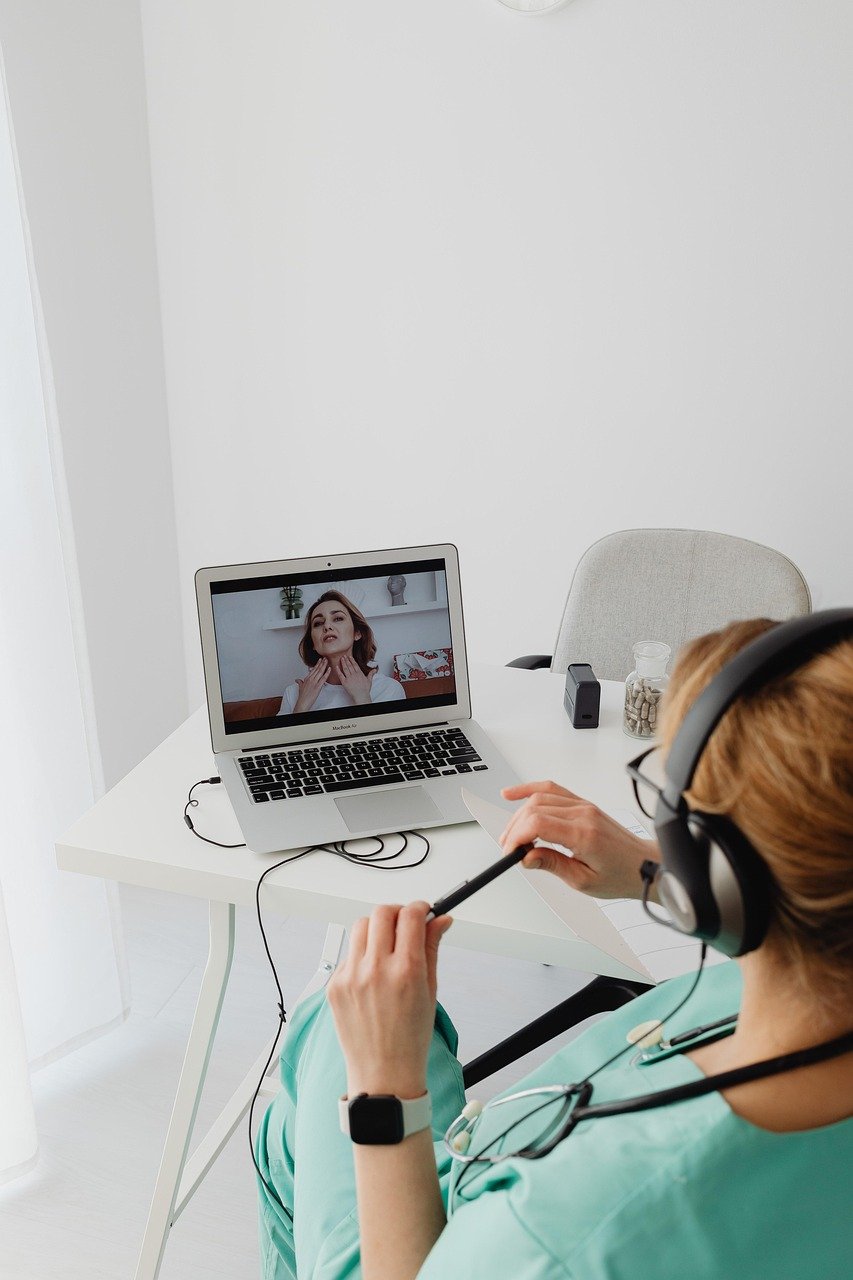
Telehealth includes video appointments, phone calls, secure messaging, virtual check ins, and online prescription refills. In primary care, telehealth is often used for follow ups, reviewing lab results, medication questions, and preventive conversations that do not require a physical exam. The Centers for Disease Control and Prevention offers useful information on preventive care that patients can discuss with their clinicians during virtual visits (https://www.cdc.gov).
Convenience comes in many forms. Patients can avoid long travel times, especially during busy work or school schedules. Telehealth can also reduce exposure to contagious illnesses, which is particularly helpful during cold and flu seasons. Many families appreciate being able to speak with providers from home, workplace, or school settings.
Telehealth also expands communication. Some patients feel more comfortable asking questions by secure message instead of waiting for the next appointment. For chronic illness management, regular virtual check ins help track symptoms and adjust treatment plans without delay. The National Institutes of Health provides resources explaining chronic conditions and healthy living, which families can review between appointments (https://www.nih.gov).
Navigating the challenges and debates
Although telehealth offers convenience, experts continue discussing several important concerns. One challenge is digital access. Reliable internet, privacy, and appropriate devices are not available to everyone. These limitations create gaps in who can benefit most from telehealth services. Public health leaders continue to explore solutions that support equal access for different communities.
Another conversation centers around safety. Telehealth cannot replace hands on exams, diagnostic tests, or urgent medical evaluations. Licensed providers decide when an in person visit is necessary. Research from the Agency for Healthcare Research and Quality examines the effectiveness and risks of telehealth, helping organizations make informed policy decisions (https://www.ahrq.gov).
Privacy and data security are also part of the debate. Healthcare practices must use secure platforms that protect patient information. Patients are encouraged to use official clinic systems rather than general communication apps. Finally, experts discuss how virtual care may affect provider patient relationships. Some people enjoy virtual visits, while others prefer face to face interaction. Balancing both is an important part of evolving healthcare models.
Real world echoes: case studies and applications
Imagine a Stamford resident who works long hours and rarely has time for routine follow ups. With telehealth, they schedule a video appointment during a lunch break to discuss medication questions. This avoids missing work and supports consistent care.
Another example involves a high school student managing asthma symptoms. Instead of waiting weeks for an in person appointment, they connect with a primary care provider through a secure video call to talk about seasonal changes and safe medication use. This proactive approach helps prevent flare ups and allows the family to ask questions without traveling.
Telehealth also supports wellness education. Stamford clinics might host virtual sessions on nutrition, stress management, and preventive care. Patients can join from home, ask questions, and build knowledge at their own pace. Telehealth becomes not just a convenience, but a pathway to continuous support.
Conclusion
Telehealth continues to reshape primary care by offering flexible access, timely follow ups, and improved communication. Although digital challenges and safety questions remain, virtual care provides significant advantages for busy families, chronic disease management, and preventive health. As technology evolves, primary care will likely blend virtual and in person services to fit different needs and personal preferences. Patients are encouraged to learn about telehealth options, ask questions during appointments, and use digital tools responsibly to support their health journey. To explore virtual care or schedule a primary care visit, consider contacting CNPprimarycare.com.
Q and A
When is telehealth most helpful
Telehealth is useful for follow ups, medication checks, reviewing lab results, preventive conversations, and asking everyday health questions. The CDC provides preventive health information that can supplement telehealth visits (https://www.cdc.gov).
Does telehealth replace in person care
Not entirely. Some conditions require physical exams, testing, or hands on evaluation. Licensed healthcare professionals determine when in person care is necessary.
Is telehealth safe
Healthcare organizations use secure systems that protect personal information. Patients should use official clinic platforms to keep communication private. The National Institutes of Health offers general information on digital health and safety (https://www.nih.gov).
Where can Stamford residents learn more
Primary care practices, community programs, and telehealth services offer support and information. If you want to explore virtual care or schedule a visit, you can contact CNPprimarycare.com for local services and guidance.