



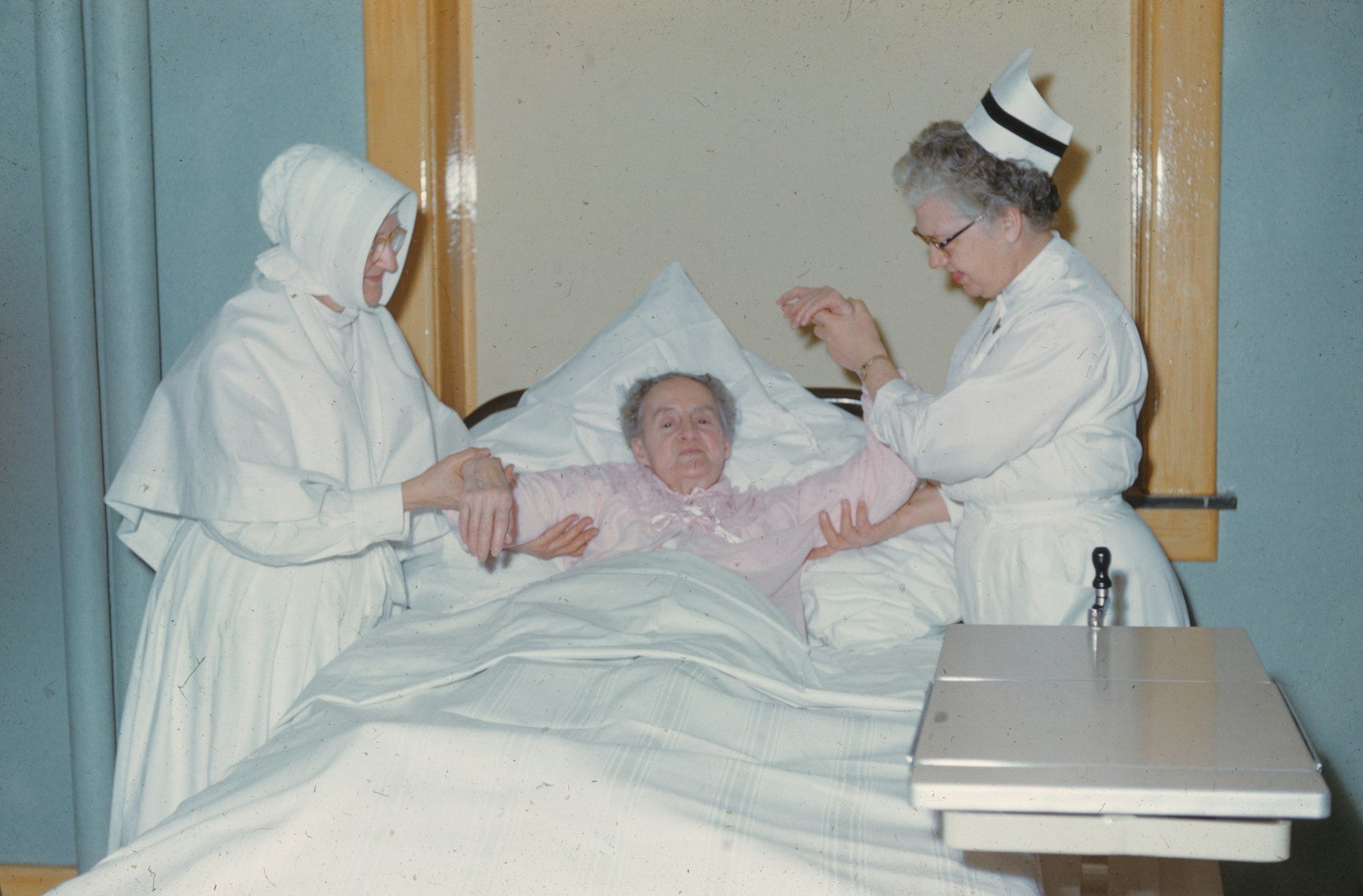
As people across the United States live longer than previous generations, the importance of senior health and long term wellness has drawn growing attention. Stamford Connecticut reflects this national aging trend, where older adults now represent a steadily increasing part of the community. Historically, healthcare for seniors focused mostly on reacting to illness. Today the conversation has shifted toward prevention, early detection, and supporting healthy aging through continuous and coordinated care. New digital tools, chronic disease research, and evolving healthcare models have contributed to ongoing debates about how often seniors should see a primary care provider and what services matter most.
While some observers emphasize medical monitoring, others highlight social connection, mental health, and independence as equally important outcomes of regular visits. The result is a complex but meaningful discussion about how seniors can maintain well being, reduce risks, and enjoy fuller lives as they age. Understanding how regular primary care helps seniors in Stamford offers valuable insight into a changing healthcare landscape.
Unpacking the Layers of How Stamford Seniors Benefit From Regular Primary Care Visits
Regular visits to a primary care provider offer seniors in Stamford several interconnected advantages. First, consistent checkups support early identification of health changes. Providers can detect concerns related to blood pressure, cognitive function, or chronic conditions before they turn into emergencies. National organizations such as the National Institute on Aging offer evidence based insights into preventive health strategies for older adults https://www.nia.nih.gov.
Second, routine appointments help simplify medication management. Many seniors take multiple prescriptions, and coordinating dosages with a single provider reduces the risk of interactions or duplicated medications. Stamford primary care offices often collaborate with pharmacists and specialists to ensure smoother treatment plans.
Third, regular visits promote emotional and mental wellness. Aging can involve lifestyle changes, isolation, or increased stress, making communication and support critical. The Centers for Disease Control and Prevention provides information on senior mental health and community support services https://www.cdc.gov.
Finally, primary care supports healthy independence. Providers can refer seniors to physical therapy, nutrition guidance, or home safety resources. These coordinated services help older adults continue participating in activities that matter to them, whether traveling, exercising, or spending time with family.
Navigating the Challenges and Debates
Despite the clear benefits, regular senior care still faces ongoing questions. One challenge involves access. Stamford is home to strong healthcare networks, yet demand for senior services continues to rise as the population ages. Some professionals call for expanded geriatric training programs, while others suggest digital care and community partnerships offer more immediate solutions.
Another debate concerns screening frequency. While preventive testing saves lives, some experts question whether every screening is necessary for every senior. Discussions about balancing early detection with quality of life continue across healthcare organizations, and no single approach suits every patient.
Technology adds another layer. Telehealth appointments have made check ins more convenient, but some older adults do not feel comfortable using online platforms. Families and providers must navigate how technology fits into each person’s abilities and preferences.
Finally, questions surrounding caregiver roles, privacy, and decision making remain sensitive and deeply personal. Some seniors prefer full independence while others rely on adult children or home health aides. These conversations shape broader debates about aging, autonomy, and healthcare expectations. While solutions differ, the shared goal remains supporting seniors with respect and thoughtful planning.
Real world Echoes: Case Studies and Applications
Consider a Stamford resident living with hypertension and arthritis who began scheduling regular primary care visits twice a year. The care team tracked blood pressure changes and adjusted medication after noticing patterns during routine checkups. Because the patient maintained consistent appointments, the provider identified early signs of mobility challenges and referred physical therapy, which reduced discomfort and helped prevent falls in the future.
Another example involves a senior who began experiencing mild memory changes. Regular primary care visits allowed the clinician to monitor cognitive function while planning preventive supports. The provider recommended simple memory exercises, connected the family with community programs, and advised scheduling shorter checkups to keep follow ups manageable. This allowed the senior to stay informed and engaged in personal healthcare decisions.
Many Stamford providers also collaborate with local wellness and support programs. Through partnerships with senior centers and community organizations, older adults gain access to exercise classes, nutrition education, and social activities. These examples show that regular primary care reaches beyond medical treatment and into enriched daily living.
Conclusion
Regular primary care visits help Stamford seniors stay healthier, more independent, and more confident as they navigate aging. From preventive screenings and chronic condition monitoring to emotional support and community referrals, consistent care provides a foundation for long term well being. Although questions remain about technology, access, and personal preferences, the ongoing evolution of senior healthcare continues to open new possibilities. Families and older adults are encouraged to explore trusted resources and discuss care options with experienced providers. For personalized support and guidance, consider contacting CNPprimarycare.com to learn about services designed specifically for seniors in Stamford.
Questions and Answers
How often should seniors see a primary care provider?
There is no single schedule that fits everyone, but routine checkups at least once a year are usually recommended. Seniors with chronic conditions may visit more frequently. More information about senior preventive care can be found through the National Institute on Aging https://www.nia.nih.gov.
What health issues are commonly monitored in regular appointments?
Primary care visits often include blood pressure checks, medication reviews, mobility assessments, and screenings for chronic conditions. Providers may also evaluate mental wellness and fall risk to support healthy independence.
Are telehealth services helpful for seniors?
Telehealth can save travel time and make quick follow ups easier. Some seniors prefer in person care, so flexibility matters. Many Stamford practices provide support and guidance for using digital platforms.
Where can families learn more about senior wellness resources?
The CDC offers senior health information and community based resources at https://www.cdc.gov. For local support and senior focused care, families can connect with CNPprimarycare.com for personalized guidance and services.