
Chronic conditions affect millions of people worldwide and have quietly reshaped how individuals think about long term health. As healthcare systems evolve and technology becomes more accessible, the idea of monitoring chronic symptoms at home has emerged as a central topic in modern wellness conversations. From the early days of simple journaling to today’s digital tools and smart devices, people are increasingly empowered to take an active role in their day to day health management. Recent innovations, shifting patient expectations, and ongoing debates about privacy, accuracy, and accessibility all add layers of complexity to the discussion. These developments make at home monitoring both an important and intriguing subject, inviting us to explore how it can reshape personal health journeys in meaningful ways.
Unpacking the Layers of How to Monitor Chronic Symptoms at Home
Monitoring chronic symptoms at home involves much more than checking a few numbers during the day. It requires attention to patterns, understanding physical cues, and using the right tools to track meaningful changes over time. For many patients, this practice provides a sense of control and can even help identify early warning signs before they develop into more serious issues.
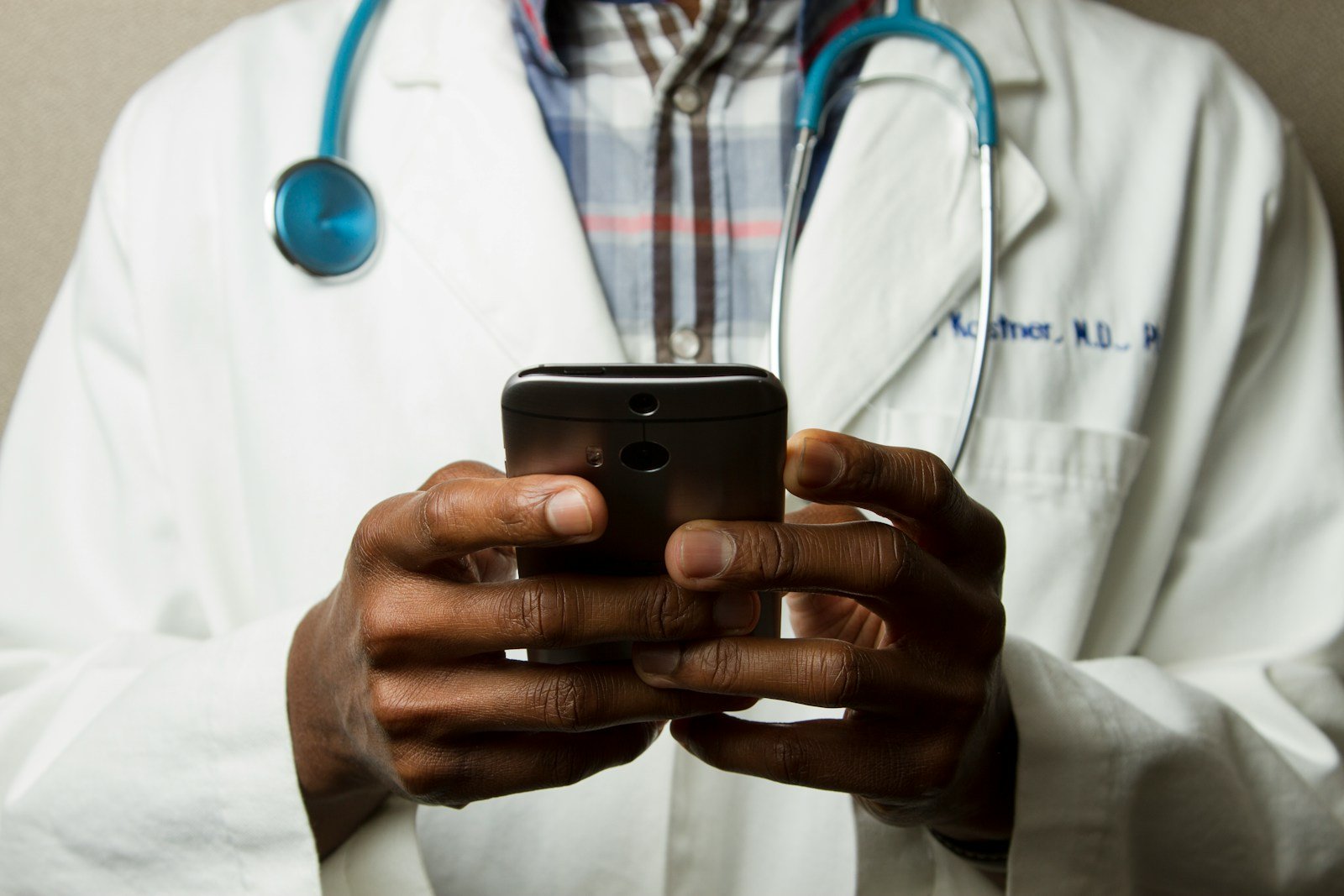
Home monitoring often begins with foundational habits such as keeping written logs of symptoms, triggers, diet, sleep, and medications. Digital health technology adds another dimension. Wearable devices can measure heart rate variability, sleep quality, or daily steps, while smartphone apps can record blood glucose or blood pressure trends. Research suggests that consistent tracking may improve self awareness and encourage patients to follow treatment plans more effectively. Authoritative resources such as the Centers for Disease Control and Prevention provide guidance on living with chronic conditions at https://www.cdc.gov/chronicdisease.
The emotional component is also significant. Tracking symptoms can reduce uncertainty and help patients communicate more clearly with healthcare professionals. The goal is to empower individuals with tools that turn daily health experiences into actionable insights.
Navigating the Challenges and Debates
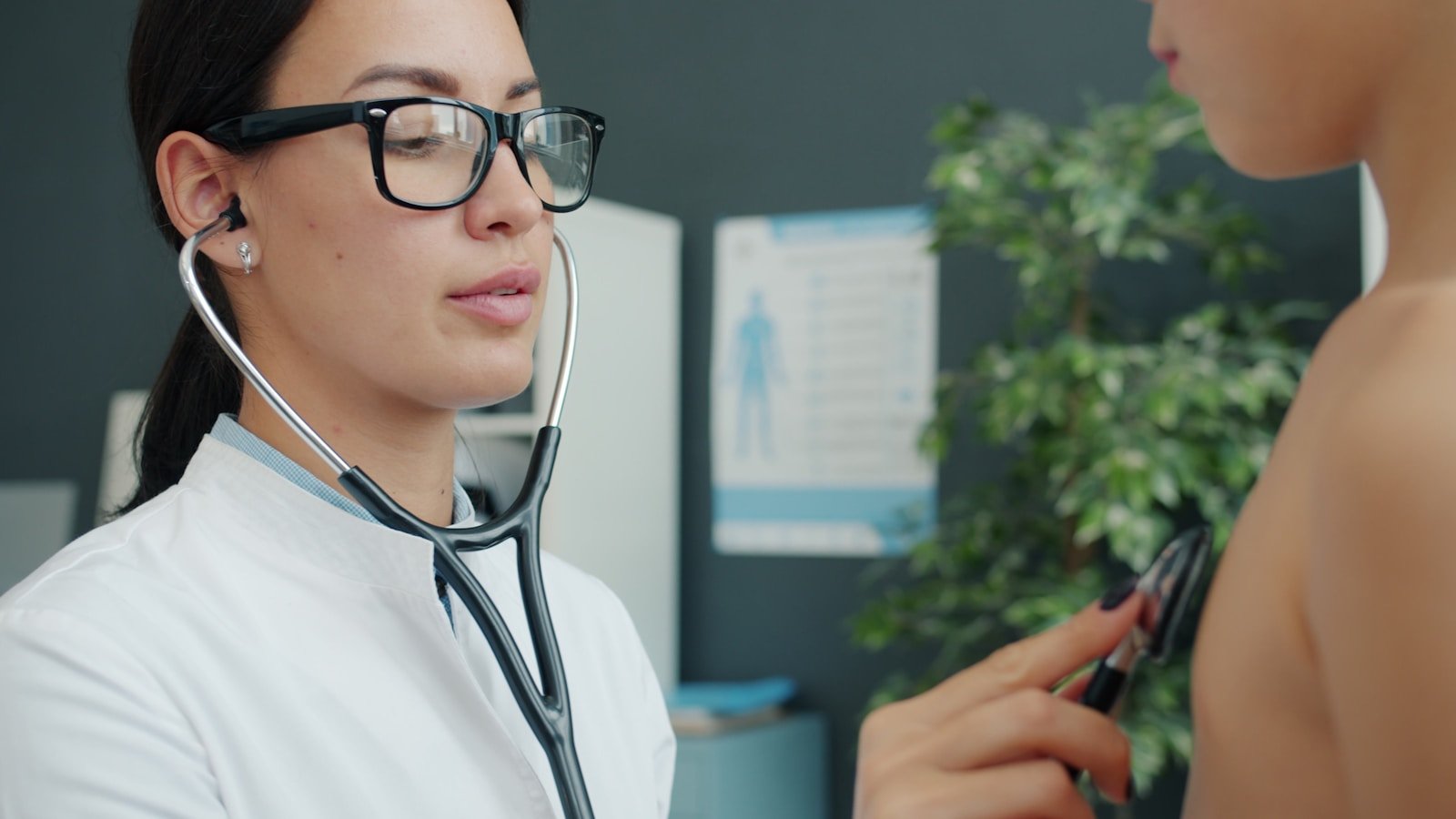
Despite its benefits, monitoring chronic symptoms at home comes with challenges and ongoing debates. One concern is accuracy. Not all devices measure health metrics reliably, and consumer grade tools may produce inconsistent results. Misinterpretation of data can also lead to unnecessary anxiety or a false sense of reassurance. Clinicians often emphasize the importance of pairing at home observations with professional evaluation.
Privacy is another concern. Digital health apps often collect large amounts of personal data. Debates continue about who owns the information, how it is used, and whether it is adequately protected. These issues reflect broader conversations about digital health ethics and patient autonomy.
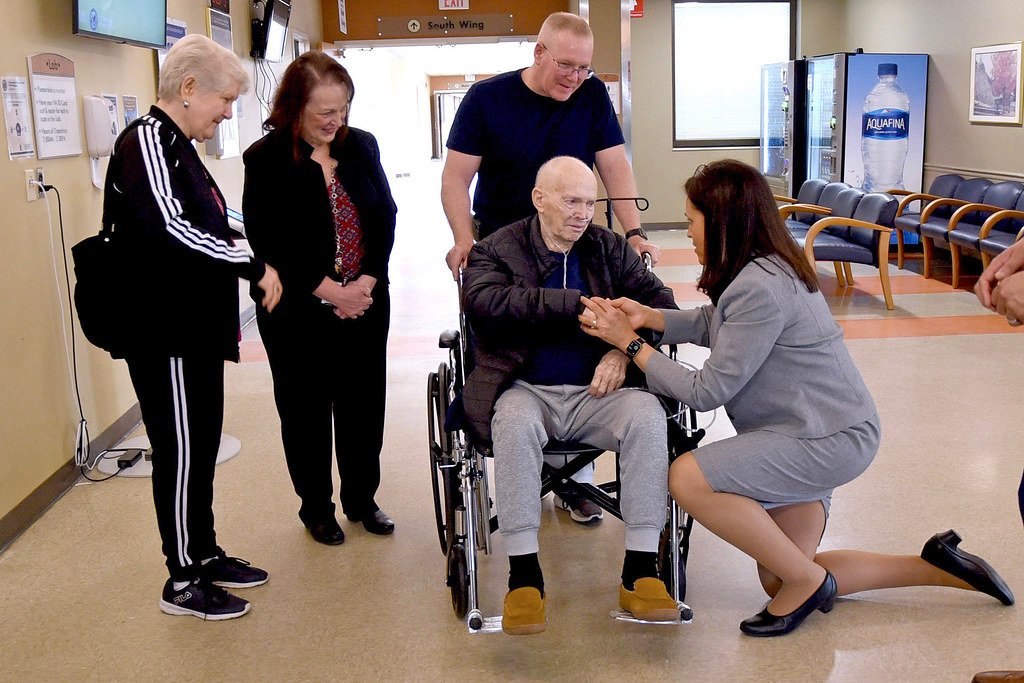
Another challenge relates to health equity. Some patients have access to advanced tools, fast internet, and supportive healthcare networks, while others face barriers due to cost or limited digital literacy. These gaps raise questions about how to make at home monitoring accessible to everyone who could benefit from it. The World Health Organization discusses digital health equity at https://www.who.int/health-topics/digital-health.
The significance of these debates lies in how they shape the future of home health management. Understanding not only the advantages but also the risks and ethical considerations helps create healthier systems and more empowered patients.
Real World Echoes: Case Studies and Applications
Real world examples show how at home monitoring can transform chronic care. One illustrative case involves individuals managing hypertension. Many patients now use home blood pressure cuffs to track readings daily. By logging these numbers and sharing them digitally with their clinicians, they can adjust medications more precisely and reduce the likelihood of complications. Studies have shown that home monitoring combined with remote support can significantly improve blood pressure control.
Another powerful example comes from patients with diabetes. Continuous glucose monitors allow real time insights into blood sugar levels. Users can see how meals, stress, or activity influence their readings and make immediate lifestyle adjustments. This kind of direct feedback loop enhances both self awareness and adherence to treatment plans.
Even in respiratory conditions like asthma or COPD, home tools such as peak flow meters and smart inhalers help track symptoms and medication use. Digital platforms can flag early declines in breathing function, prompting patients to seek help before a crisis develops. These cases highlight not only the usefulness of technology but also the importance of cultivating habits, staying informed, and engaging in proactive conversations with healthcare professionals.
Conclusion
Monitoring chronic symptoms at home is an evolving practice shaped by technology, personal responsibility, and shifting healthcare expectations. It offers opportunities for improved awareness and early intervention while also presenting challenges related to accuracy, privacy, and access. By understanding these complexities, individuals can take a more confident and informed approach to managing their health. As tools continue to advance, the conversation around home monitoring will only deepen. Readers are encouraged to stay curious, seek trustworthy information, and explore how these practices can support long term wellness. For support or guidance, contact CNPprimarycare.com.
Q and A Section
What are the most important symptoms to track for chronic conditions?
The symptoms depend on the condition, but common examples include pain levels, sleep quality, mood changes, blood pressure, blood glucose, respiratory patterns, and medication reactions. The American Heart Association offers helpful tracking tips at https://www.heart.org.
Are wearable devices reliable for monitoring chronic symptoms?
Wearables can provide useful trends but should not replace professional medical evaluation. They are most effective when used to observe patterns rather than to make independent medical decisions. Always discuss device data with a clinician to ensure correct interpretation.
How can patients protect their privacy when using health apps?
It helps to review privacy policies, use reputable apps, disable unnecessary tracking settings, and avoid sharing more personal health information than necessary. Resources from the Office of the National Coordinator for Health Information Technology can guide users at https://www.healthit.gov.
When should someone contact a healthcare professional instead of relying on home monitoring?
If symptoms worsen, change suddenly, or cause concern, it is important to seek medical help. At home tools are supportive, not a replacement for professional diagnosis or treatment. When in doubt, always reach out to a qualified provider. For comprehensive care and personalized guidance, contact CNPprimarycare.com.